
Art Collaborations The Benefits of Community
Collaborative art projects bring people together to co-create, innovate, and share experiences through artistic expression. These initiatives go beyond aesthetics—fostering teamwork, enhancing communication, nurturing empathy, and building stronger communities. Whether in schools, workplaces, or public spaces, collaborative art allows individuals to merge their perspectives into something meaningful and unifying. By working together creatively, participants develop not only their artistic skills but also social and emotional intelligence. Ultimately, collaborative art serves as a powerful tool for inclusion, healing, and positive change—proving that creativity thrives best when shared.
In a world often defined by individual pursuits and competition, the act of creating something together can be both radical and deeply transformative. Collaborative art projects offer a refreshing alternative to solitary creativity, emphasizing collective effort over personal achievement. These projects—whether murals, community sculptures, theater performances, or digital media collaborations—invite diverse voices to contribute to a shared vision. The process is as valuable as the final product, with participants experiencing growth not just as artists but as human beings.
Collaboration in art cultivates dialogue, empathy, and a sense of belonging. It breaks down barriers between people of different backgrounds, turning creative expression into a medium for social connection. Whether the goal is education, community-building, or healing, collaborative art projects prove that when people come together to make something beautiful, they also create stronger, more resilient bonds. Let’s explore how and why these collective creative experiences have such profound impact.
The Benefits of Collaborative Art Projects
- Building Community and Connection
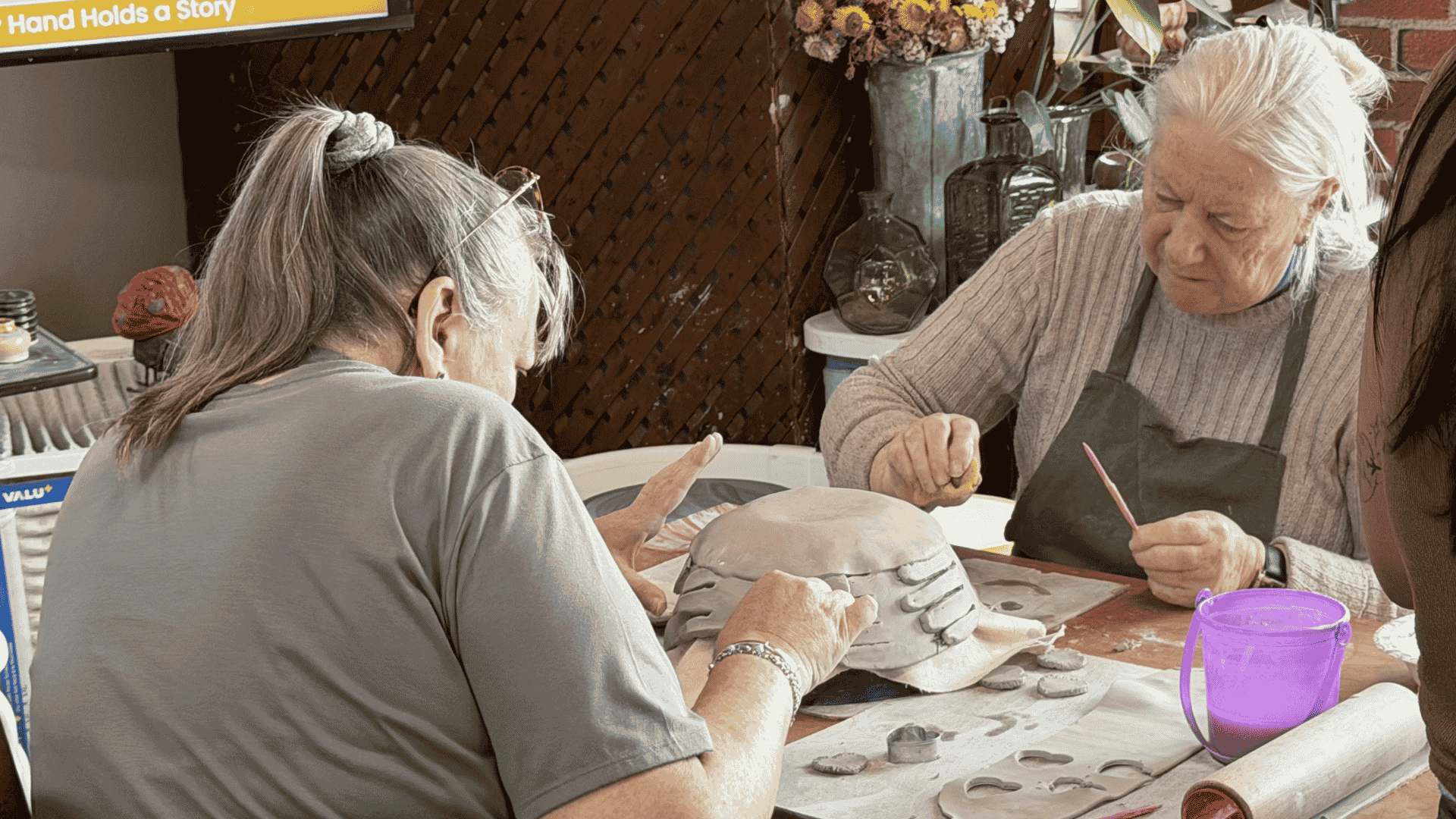
One of the most visible and powerful benefits of collaborative art is its ability to build community. In public art projects—like community murals or sculpture installations—residents work side by side, contributing ideas, painting walls, or shaping materials. The act of creating something together encourages dialogue and breaks down social divisions.
In neighborhoods that may feel fragmented or marginalized, collaborative art can help forge a sense of ownership and pride. By seeing their own work reflected in a public space, individuals often feel a deeper connection to their community and to each other. It transforms “my neighborhood” into “our shared story.” - Enhancing Emotional Intelligence and Empathy
Creating art is inherently emotional, and doing so collaboratively requires people to understand and respond to each other’s emotional cues. This fosters emotional intelligence—an essential skill in both personal and professional relationships.
Through shared creative challenges and successes, participants learn to listen actively, validate each other’s experiences, and offer support. In projects that address social issues—such as mental health, racism, or environmental justice—the empathetic dimension becomes even more critical. Art becomes a vehicle for understanding different perspectives, making participants more compassionate and socially aware. - Encouraging Diverse Perspectives and Inclusivity
Collaborative art celebrates diversity. Each participant brings a unique voice, background, and creative style. Rather than conforming to a single vision, the final piece emerges from a synthesis of ideas—an inclusive process that values every contributor.
This diversity not only enriches the artwork itself but also teaches participants how to negotiate differences and compromise. In educational or corporate settings, this can be particularly powerful. Students and teams learn that there’s no single “right” answer in creativity and that success often lies in the blending of viewpoints.
In inclusive environments, people who might not otherwise feel heard—such as those with disabilities, minority backgrounds, or limited artistic experience—find a platform for expression. Collaborative projects often lower the barrier to participation, focusing more on contribution than on technical skill. - Developing Communication and Teamwork Skills
A successful group project requires clear communication. Participants must articulate their ideas, listen to others, give and receive feedback, and coordinate their efforts. These are essential life skills that collaborative art organically cultivates.
Working on a mural or performance piece, for example, involves brainstorming sessions, task assignments, timelines, and revisions. The creative nature of the work makes this learning process enjoyable and often more effective than traditional teamwork training. These skills are easily transferable to school, work, and everyday interpersonal relationships. - Boosting Confidence and Self-Esteem
For many people, participating in art can be intimidating. But in a collaborative setting, the pressure is shared. People can contribute in ways that suit their comfort levels and abilities. This encourages participation, especially among those who may not consider themselves “artistic.”
As individuals see their contributions come to life in a group project, they often gain confidence in their abilities. This is particularly evident in youth or underserved populations, where self-esteem may be low due to systemic challenges. A completed project serves as tangible evidence of their talent, teamwork, and commitment—building a sense of achievement and pride. - Supporting Mental Health and Emotional Wellbeing
Art-making is widely known for its therapeutic benefits. In collaborative projects, these benefits are amplified by the social connections and shared purpose they foster. Engaging in a creative process together can reduce stress, combat feelings of isolation, and provide an outlet for processing emotions.
Programs in hospitals, shelters, prisons, and rehabilitation centers have used collaborative art to promote healing and resilience. Whether through collaborative painting sessions, music groups, or storytelling circles, participants often report improved moods, increased motivation, and a stronger sense of belonging. - Inspiring Civic Engagement and Social Change
Art has always played a role in activism, and collaborative projects offer a platform for communities to raise awareness and advocate for change. Community murals, street art, and performance-based protest works are often created by groups who wish to highlight injustice or celebrate cultural identity.
By involving local voices and offering space for public dialogue, these projects empower people to take an active role in shaping their environment. In doing so, they help build more engaged, informed, and motivated citizens. The collaborative nature ensures that the message is not imposed from the outside but emerges authentically from within the community. - Enhancing Learning and Educational Outcomes
In educational settings, collaborative art projects offer a dynamic alternative to traditional classroom learning. By integrating art into the curriculum—especially when it’s co-created—students become more engaged, motivated, and able to retain information.
These projects encourage critical thinking, creativity, and interdisciplinary learning. For example, a science teacher might work with an art instructor to have students build a collaborative sculpture that illustrates ecosystems or anatomy. This experiential approach fosters deeper understanding while also building the social and emotional skills essential for lifelong learning.
Moreover, students learn project management, planning, and execution—skills they can carry into higher education and their careers. - Creating Lasting Memories and Shared Identity
The process of co-creating art leaves lasting impressions. Participants often recall not only the work they did but also the connections they formed. Shared laughter, problem-solving, and triumphs become part of a collective memory.
Over time, collaborative projects can help shape a group’s identity. Whether it’s a school mural, a workplace mosaic, or a neighborhood performance, the result becomes a landmark—something participants can point to and say, “We made that.” This fosters pride and a sense of belonging that continues long after the project ends. - Encouraging Innovation and Experimentation
Collaboration in art encourages risk-taking and experimentation. Individuals who might stick to familiar techniques in solo projects may try new approaches when working with others. This blend of styles and strategies often leads to unexpected, innovative outcomes.
Artists, educators, and community organizers frequently find that collaborative projects inspire breakthroughs that would not have been possible in isolation. The collective creative energy pushes boundaries, challenging assumptions and sparking fresh ideas.
Collaborative art projects are more than creative ventures—they are powerful social experiences that foster connection, inclusion, empathy, and growth. By working together to create something meaningful, people build stronger communities, develop essential life skills, and make room for voices that might otherwise go unheard.
In an increasingly fragmented world, collaborative art reminds us that we are more powerful—and more creative—when we come together. Whether in a classroom, a neighborhood, or a workplace, these projects offer a path toward not only more beautiful surroundings but also deeper human connection and understanding.
So pick up a brush, a pen, a piece of clay, or a camera—and invite someone to join you. Together, you might just create something unforgettable.

Related Articles
0 comments on "Art Collaborations The Benefits of Community"