Trompe l’Oeil: The Art of Deception
Tricking the Eye: An Overview of Trompe l’Oeil
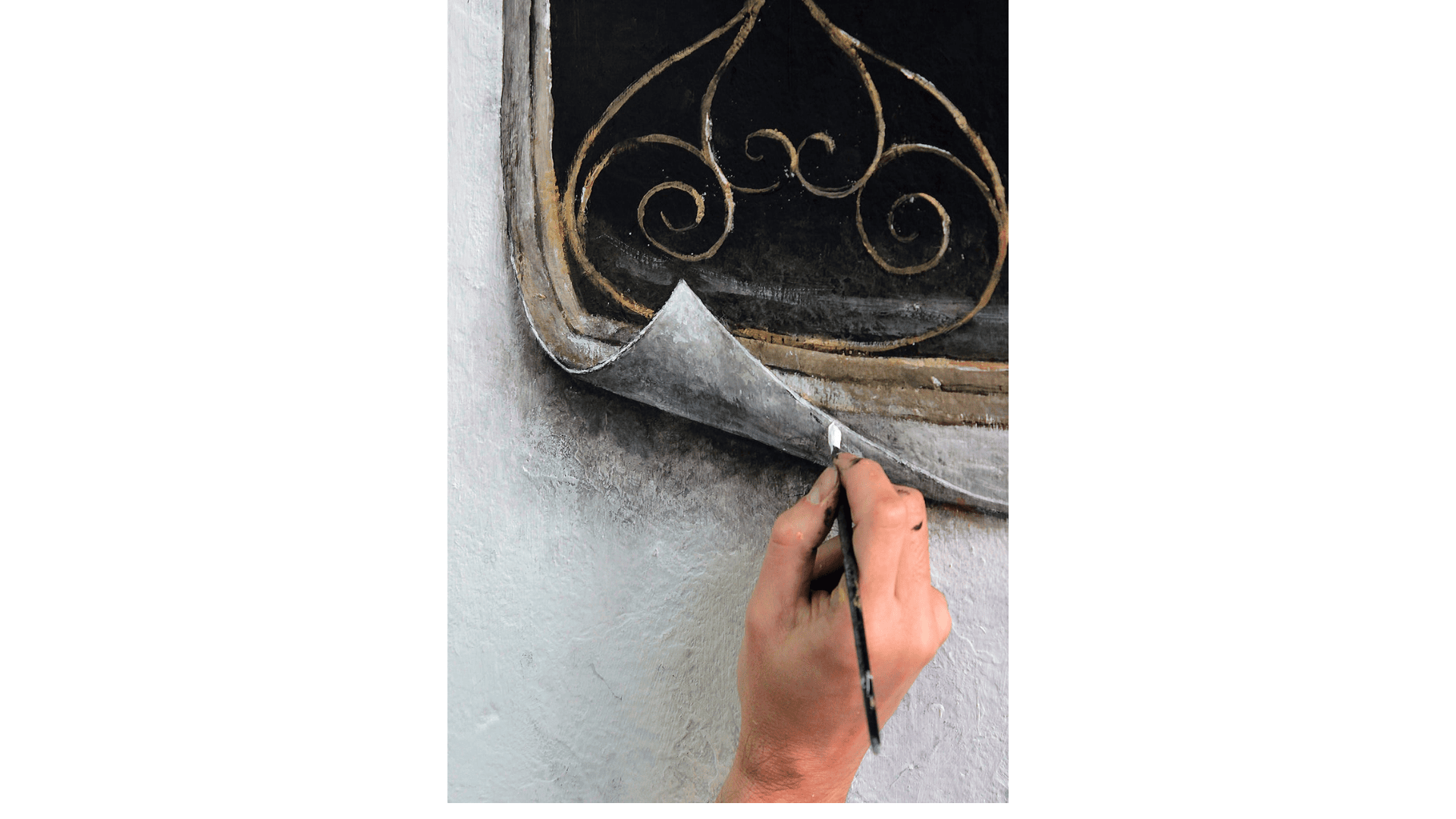
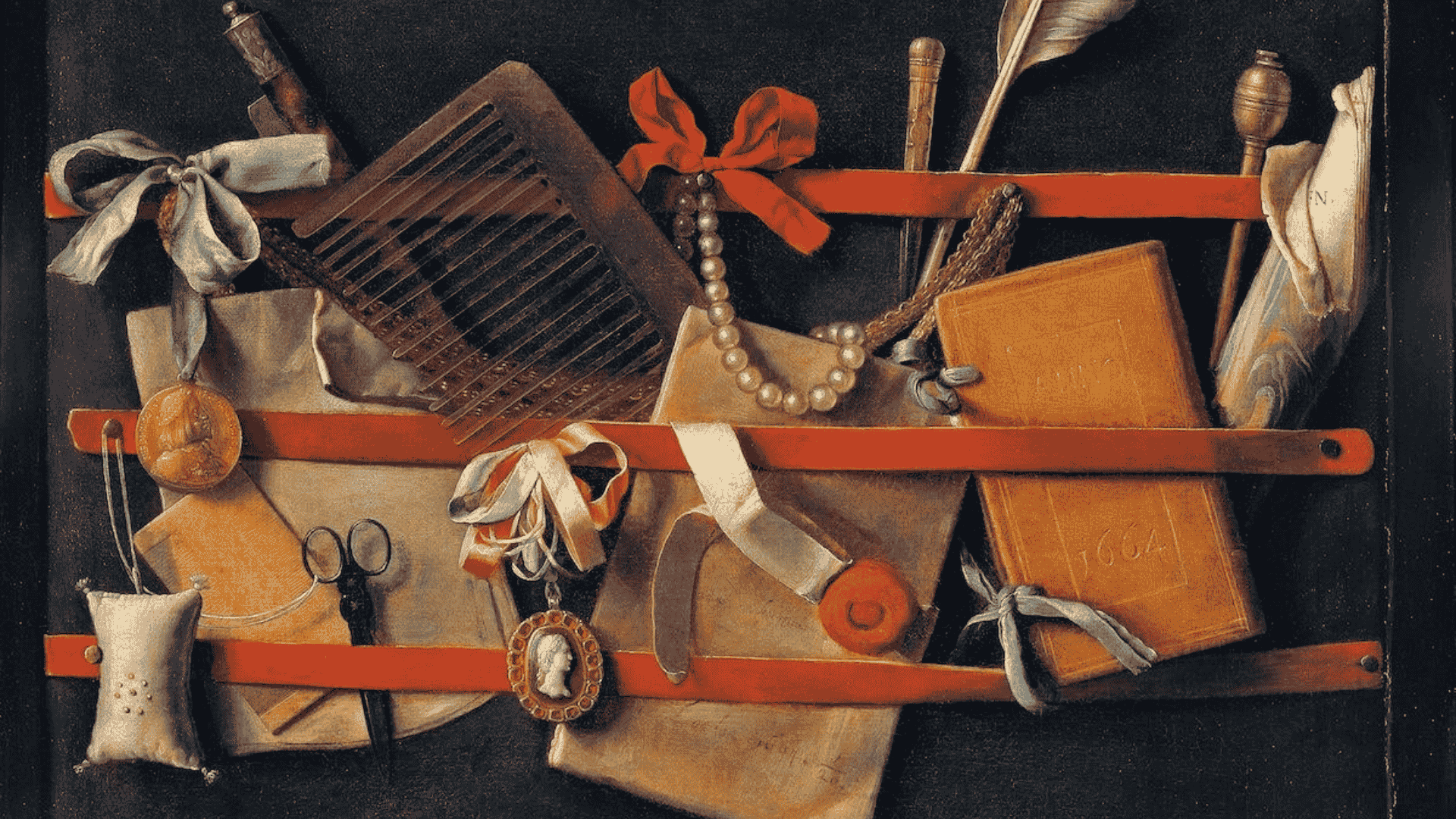
Trompe l’oeil, meaning “deceive the eye” in French, is an artistic method that fulfills its term. Through the creation of extraordinary realism, artists create images that are so lifelike that observers momentarily perceive them as authentic. Whether it is a painted window suggesting a view into another realm or a flat depiction of spilled buttons that seems three-dimensional, trompe l’oeil manipulates perception, illusion, and the boundaries of representation.
Fundamentally, trompe l’oeil involves creating optical illusions. Artists utilize exact perspective, shading, and intricate detail to make flat surfaces seem three-dimensional. Unlike standard realism, trompe l’oeil distinctly aims to trick the viewer. The enjoyment of the artwork often arises from the realization of this deception, understanding that what looks substantial is, in reality, just paint on a flat surface.
This approach challenges our confidence in vision. It poses the question: How trustworthy are our perceptions?
Historical Beginnings
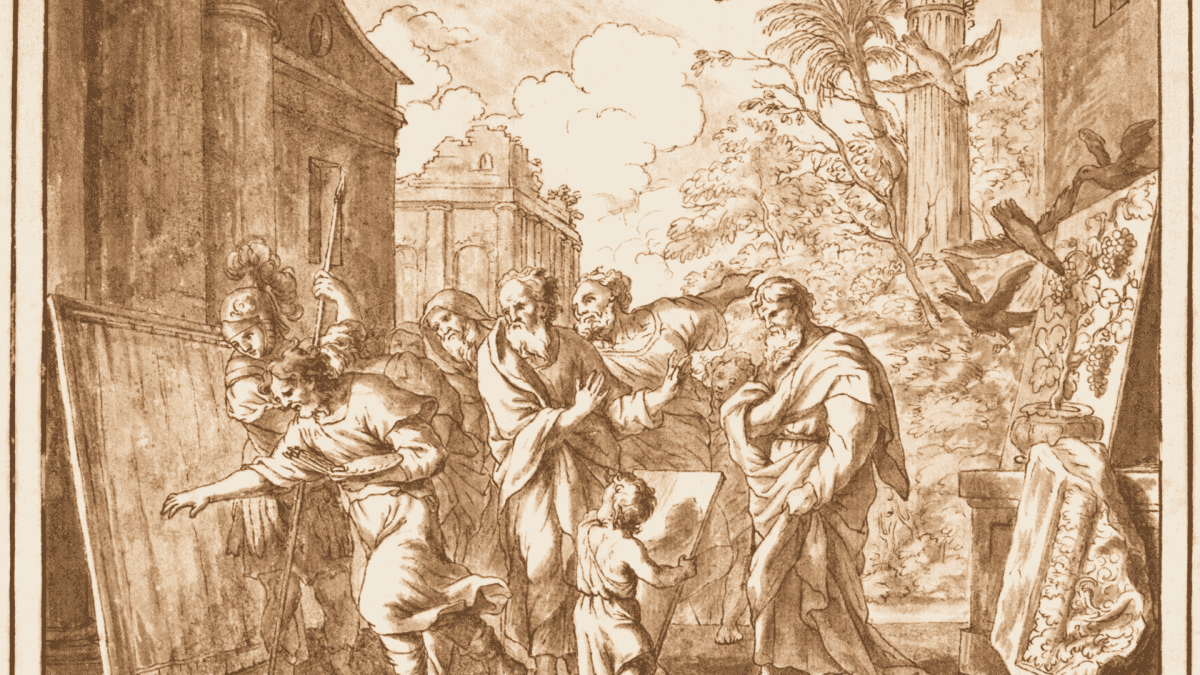
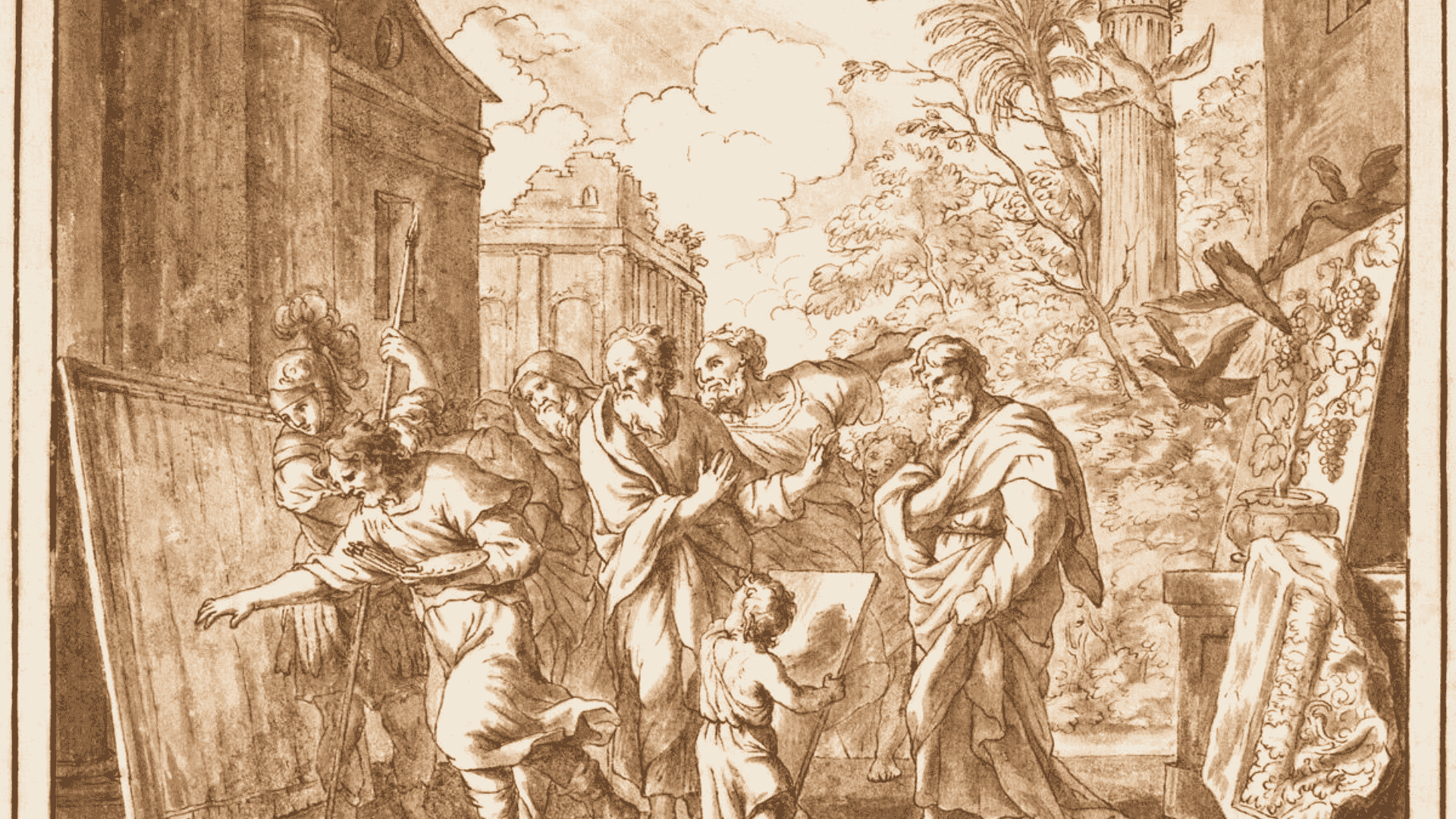
Trompe l’oeil has deep historical origins. One of the earliest known instances of the technique dates back to ancient Greece, where the artist Zeuxis was said to have painted grapes that birds mistakenly tried to peck at. The depiction of grapes by Zeuxis in the fifth century B.C. was so lifelike that birds attempted to peck at it. As part of a competition, Zeuxis was ultimately outdone by his rival Parrhasius, who crafted a curtain so realistic that Zeuxis instinctively reached out to uncover it. While Zeuxis managed to deceive the birds, Parrhasius succeeded in tricking an artist at his own craft!
The technique thrived during the Renaissance, when artists increasingly focused on linear perspective and anatomical precision. Later, in the Baroque era, trompe l’oeil achieved remarkable advancements, as church ceilings were painted to look as though they opened into the heavens, complete with soaring architecture and floating figures extending beyond physical limits.
Technique and Skill
Creating effective trompe l’oeil demands exceptional technical skill. Artists need to master perspective and space, light and shadow, and surface textures. The smallest, minor mistake can disrupt the illusion; therefore, trompe l’oeil has historically been linked to artistic excellence and discipline. The artist’s presence is meant to vanish, leaving just the illusion behind.
My Own Attempt At Trompe L’oeil
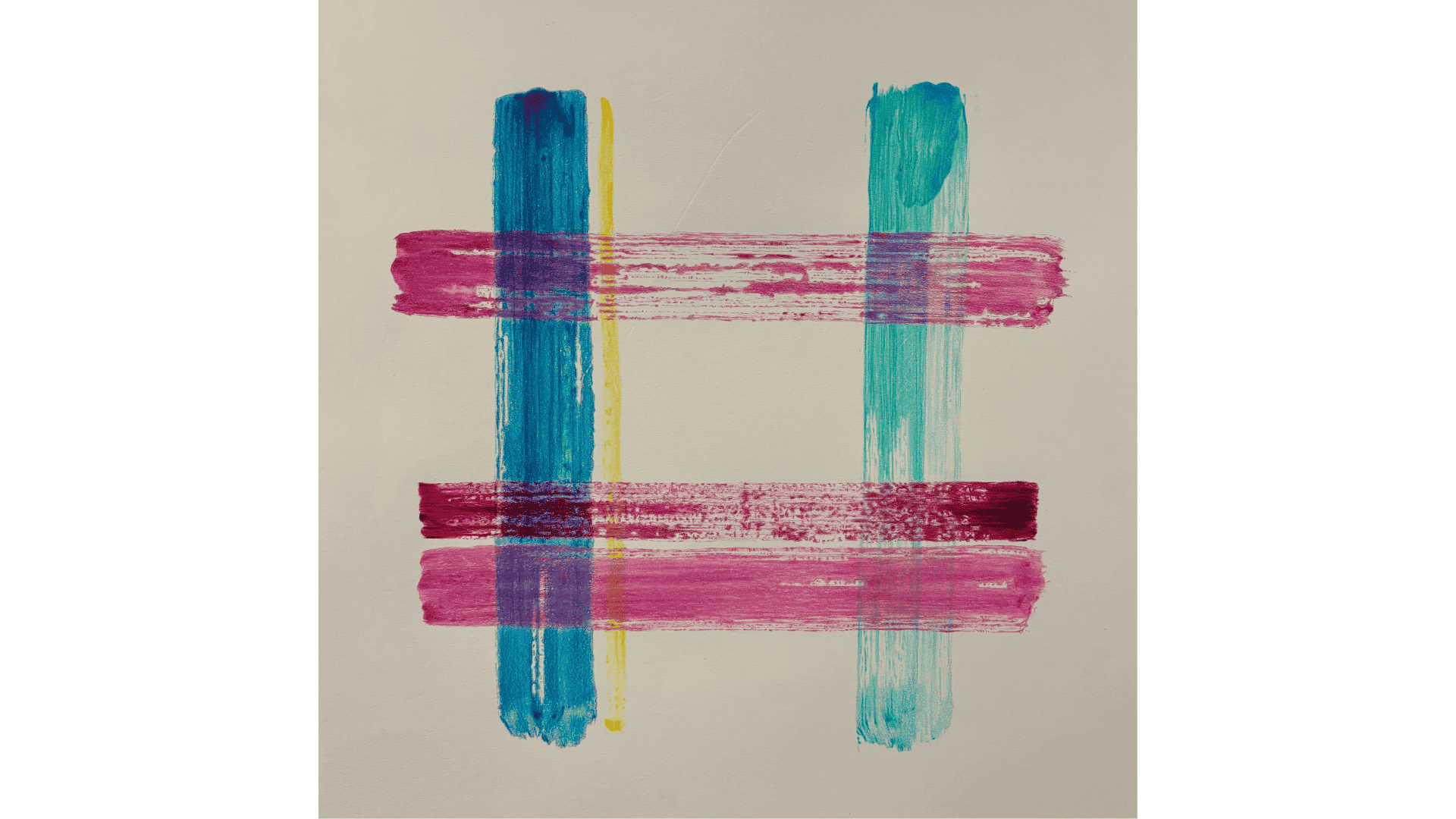
A few months ago, I decided to experiment with this deceptive artistic technique. I planned to use coloured pencils to create the illusion of paint stripes on paper. To start, I used acrylic paint to create a reference image, painting six lines in different colours on a piece of white paper. I then took a picture of this painting to use as my reference for the drawing.
I knew that the stripes had to be drawn with precision to effectively trick the viewers. I worked slowly, taking my time to include every detail of the paint stripes. I sharpened my coloured pencils often to create extremely fine marks on the paper, ensuring I was effectively crafting an illusion. Here is an image of my coloured pencil drawing that mimics the appearance of paint stripes:
Why Trompe l’Oeil Matters
Trompe l’oeil persists because it resonates with the fundamental human trait regarding curiosity about reality versus illusion. It serves as a reminder that seeing is not a simple act but one that requires interpretation. The moment of insight, when the illusion crumbles, is both joyous and disconcerting. In a world filled with edited, filtered, and staged imagery, trompe l’oeil seems particularly relevant. It urges viewers to take their time, observe closely, and question what they see. Ultimately, trompe l’oeil is not just a trick. It represents a dialogue between the artist and the viewer, founded on skill, deception, and the pleasure of being misled, even if just for a fleeting moment.


Related Articles



0 comments on "Trompe l’Oeil: The Art of Deception"