Nagomi Art: Which Pastels to Use?
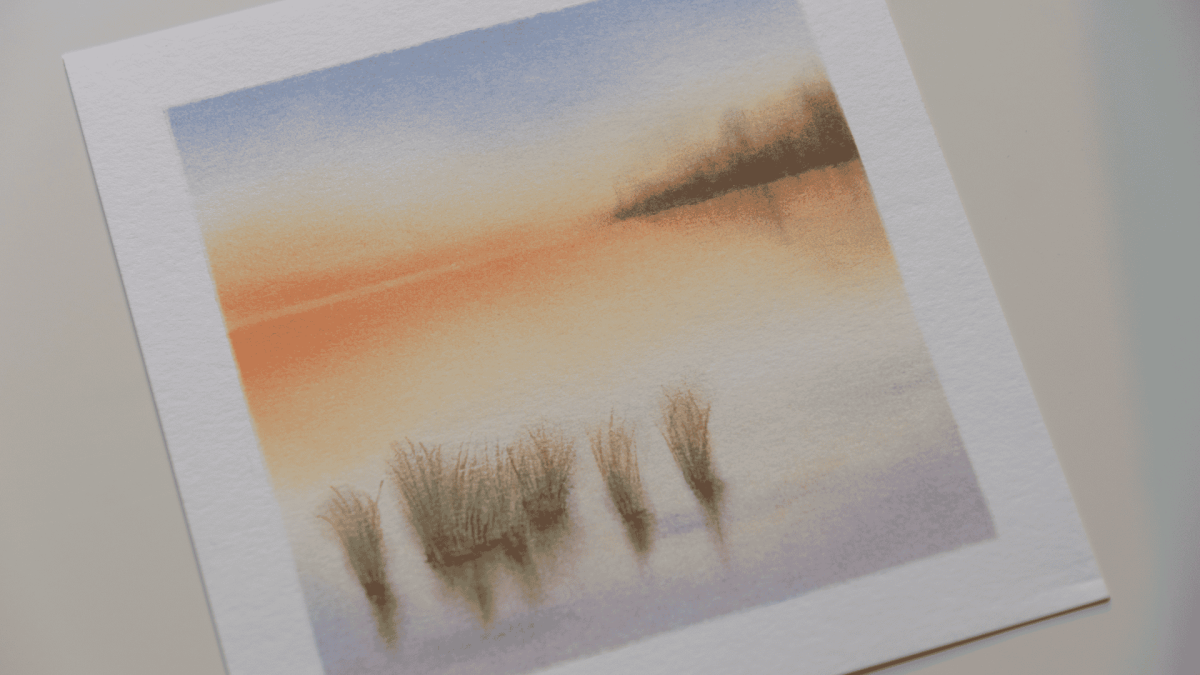
Nagomi Art, originating from Japan, is a therapeutic and gentle art form using soft pastels and fingers to blend soothing gradients onto paper. The word Nagomi means “harmony” or “calm,” and that’s exactly what this art form aims to create — both on the paper and in the heart of the artist.
But if you’re just starting or looking to upgrade your toolkit, one common question arises: Which pastel should I use for Nagomi Art? Not all pastels are created equal — especially when it comes to this delicate, tactile form of art.
Understanding the Pastels: What Works for Nagomi Art
Soft Pastels
- Powdery and easily blendable
- Vibrant pigments
- Ideal for Nagomi’s smooth transitions and soft shapes
Oil Pastels
- Greasy texture
- Not suitable for finger blending
- Less common in Nagomi
Hard Pastels
- More suitable for detail work or sketching
- Too dry and sharp for the soft aesthetics of Nagomi
For Nagomi Art, the most commonly used medium is soft pastels — not to be confused with oil pastels or hard chalks. The goal is smooth blending with fingers or cotton pads, which soft pastels allow.
Top 3 Pastel Brands for Nagomi Art
Here’s a breakdown of three popular pastel brands often used in Nagomi art — perfect for beginners and hobbyists alike.
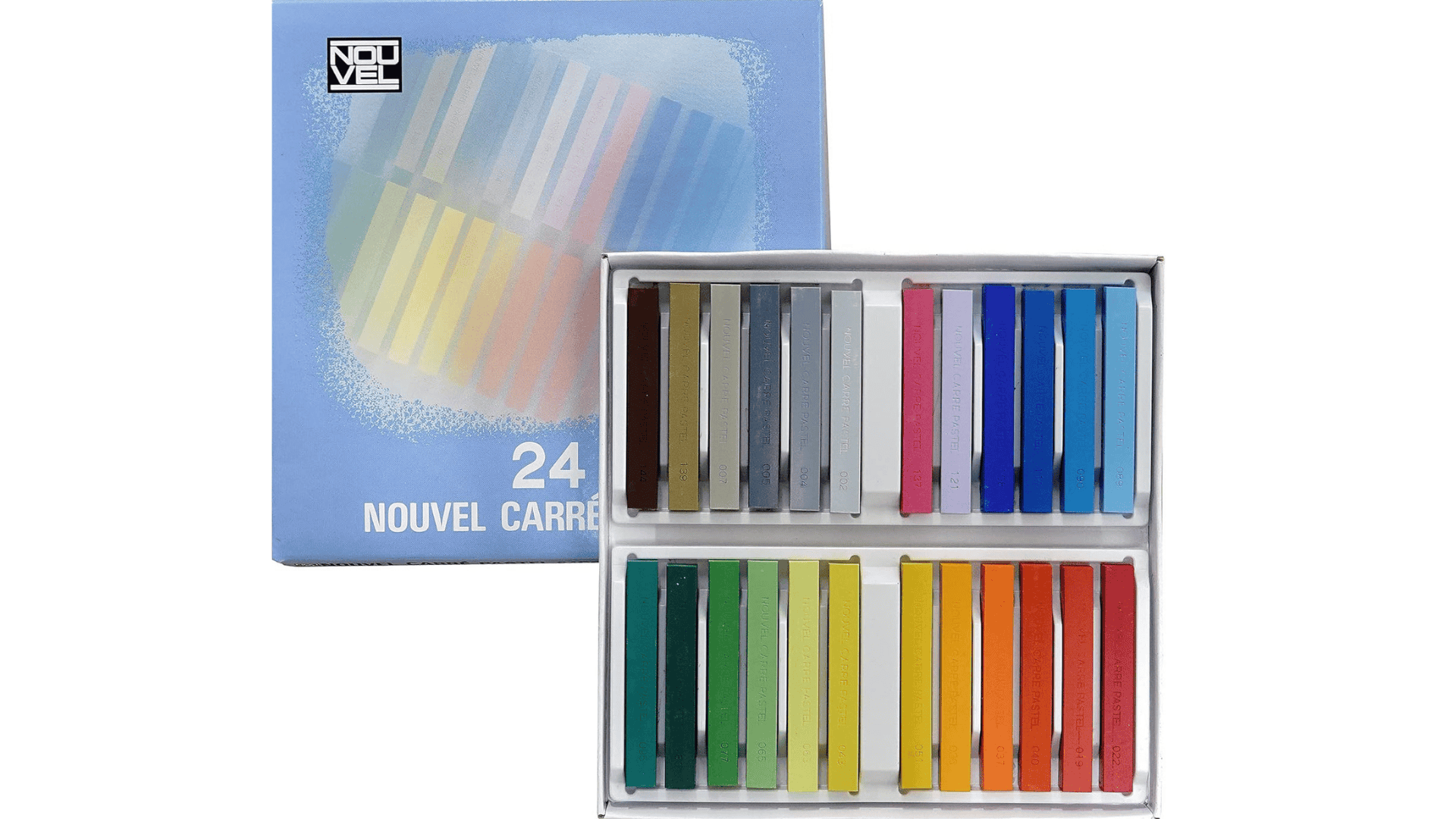
1. Sakura (Japan) – Most Traditional for Nagomi
Pros:
- Designed specifically for Japanese pastel art
- Very soft and blendable
- Smooth and rich pigments
- Excellent for layering
Cons:
- Slightly more expensive
- Smaller color range
Best For: Those who want a true Nagomi experience with traditional tools.
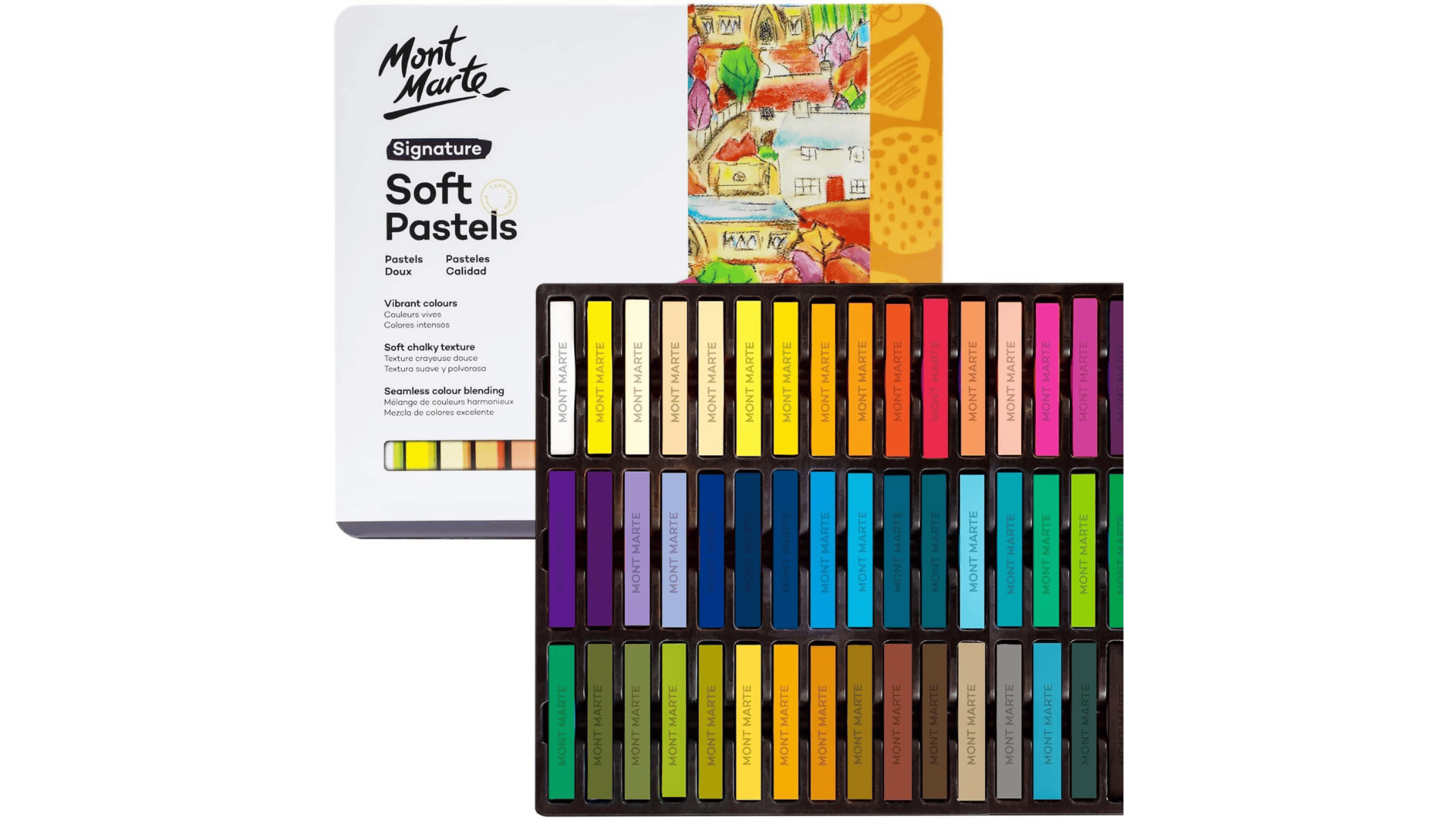
2. Mont Marte (Australia) – Affordable & Widely Available
Pros:
- Budget-friendly
- Large set sizes (up to 48 colors)
- Good softness for the price
Cons:
- Slightly chalkier texture
- May produce more dust
Best For: Beginners or students experimenting with Nagomi art without a big investment.
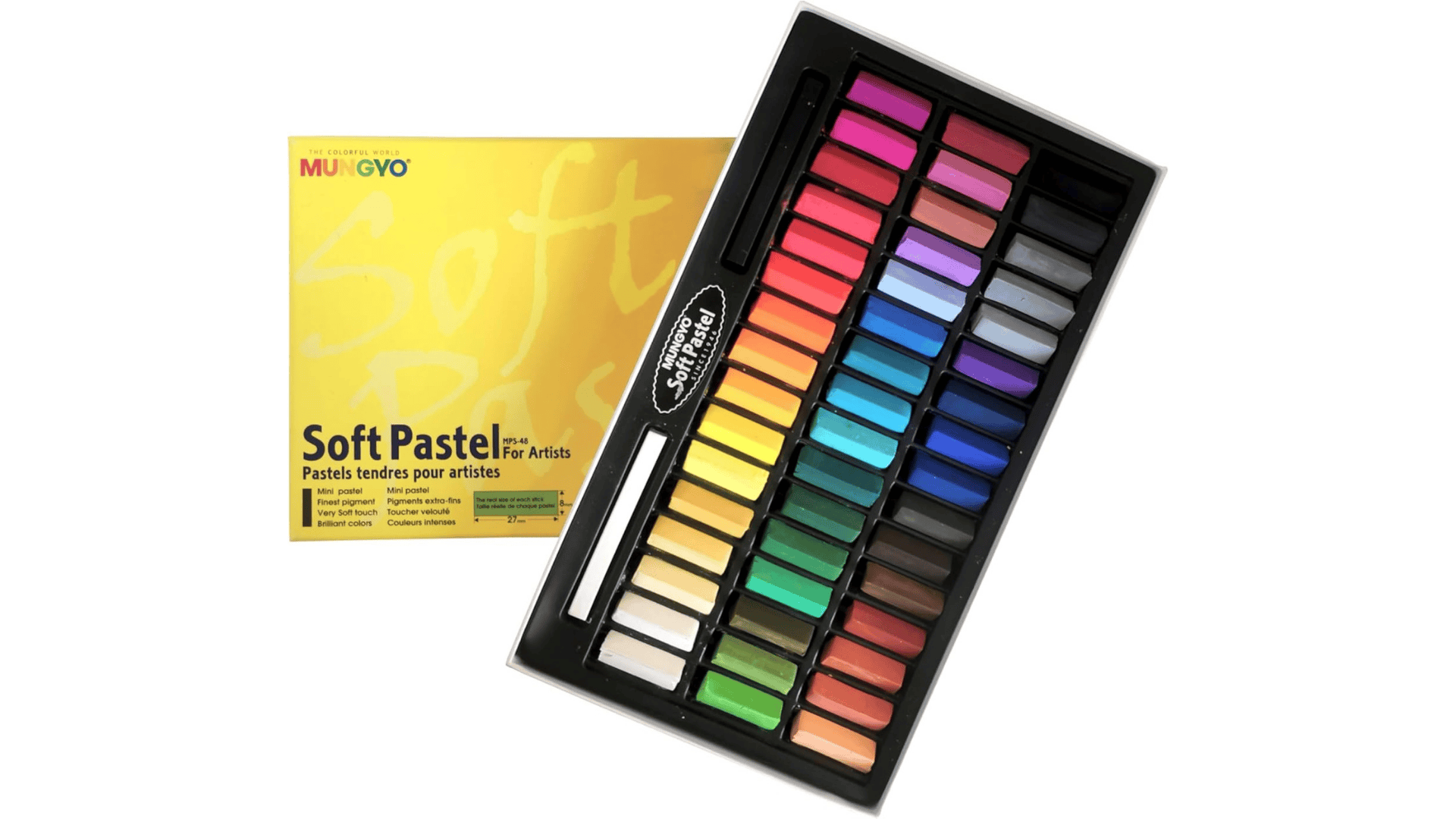
3. Mungyo (Korea) – High Quality with Variety
Pros:
- Great value for quality
- Smooth texture, very pigmented
- Available in standard and professional grades
Cons:
- Standard sets may be a bit crumbly
Best For: Intermediate artists looking for a balance between performance and price.
Tips for Choosing the Right Pastel Set
Start Small: Begin with a 12- or 24-color set to learn blending techniques.
Softness Matters: Look for reviews that highlight “soft,” “smooth,” or “creamy” textures.
Avoid Oil-Based Pastels: These won’t work with the hands-on blending required in Nagomi.
Buy a Fixative: To seal your artwork once done — optional, but useful.

Related Articles


0 comments on "Nagomi Art: Which Pastels to Use?"