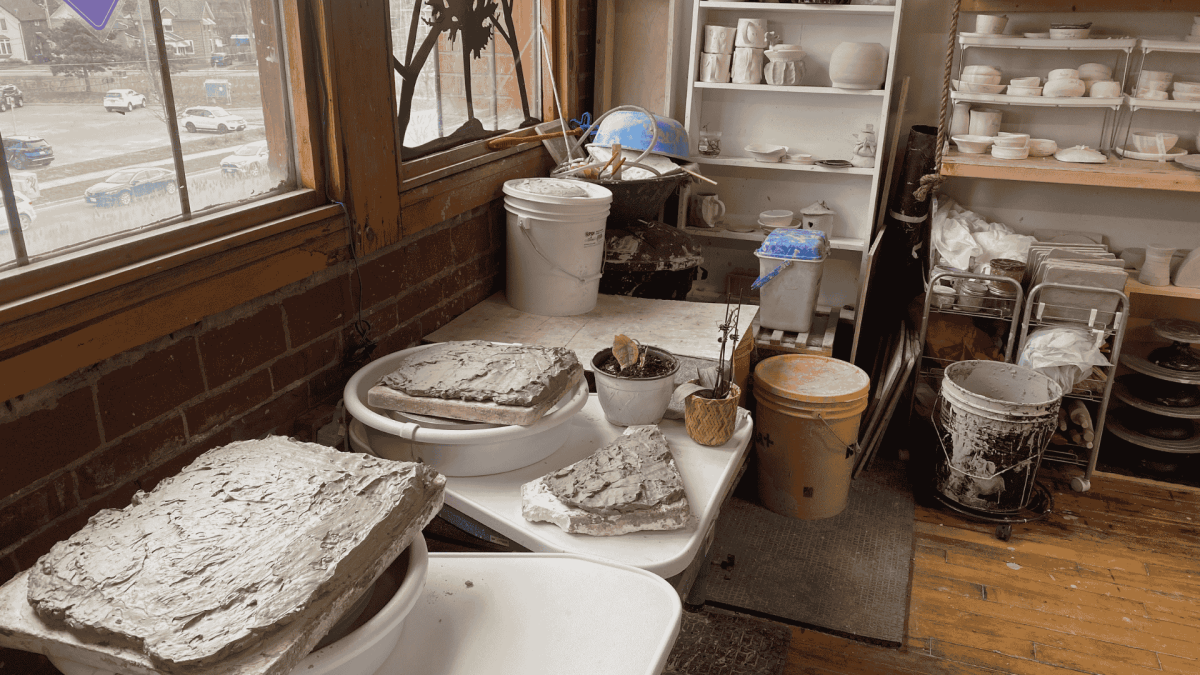
Mixing Your Own Clay Body: When and Why to Try It
For most potters, buying ready-made clay is the easiest and most reliable option. But once you gain experience, you might feel curious about mixing your own clay body. Doing this gives you more control, creative freedom, and a deeper understanding of clay itself. Here’s a simple guide on when and why you might want to give it a try.
What Does It Mean to Mix Your Own Clay Body?
Mixing your own clay body means combining raw materials like ball clay, kaolin, feldspar, silica, or grog to create a blend with specific qualities. Instead of using a commercial bagged clay, you’re building your own recipe from scratch.
Why Try It?
– Customization: Want a clay that’s stronger for large sculptures? Or one that’s smoother for fine detail? Mixing lets you design it.
– Experimentation: You can adjust colour, texture, and firing temperature.
– Learning: It teaches you about what makes clay behave the way it does.
– Sustainability: Some potters use local clays or recycled materials to create unique blends.
When Should You Try It?
Mixing your own clay body is best when you:
– Already understand how commercial clays behave.
– Want to create work with specific performance needs.
– Feel comfortable experimenting with materials and testing results.
– If you’re still new to pottery, stick with pre-mixed clays until you’re confident.
Things to Keep in Mind
1. Testing is key: Always make test tiles before committing to a large batch.
2. Safety first: Wear a mask when handling dry materials—clay dust is harmful.
3. Expect surprises: Results may vary until you fine-tune your recipe.
Example
Let’s say you love the smoothness of porcelain but need more strength for handbuilding. By mixing porcelain with grog or stoneware, you can design a clay body that gives you both qualities.
Mixing your own clay body isn’t for everyone, but for adventurous potters it opens up a new world of possibilities. If you’re ready to experiment, start small, test often, and enjoy discovering what makes clay truly come alive.

Related Articles

0 comments on "Mixing Your Own Clay Body: When and Why to Try It"