Finding Joy Using Watercolors
Watercolors are a fun way to experiment and play with color, using just a few items: a watercolor set, brushes, watercolor paper, a paper towel, and water. Most of these supplies can be found in a dollar store to experiment with the consistency, so there’s no need to invest heavily right away. Watercolor invites you to a creative process of play and making art. In this blog, we will cover how to use watercolor, using it with other mediums, and finding joy along the creative process.
“Watercolor invites you to a creative process of play and making art.”
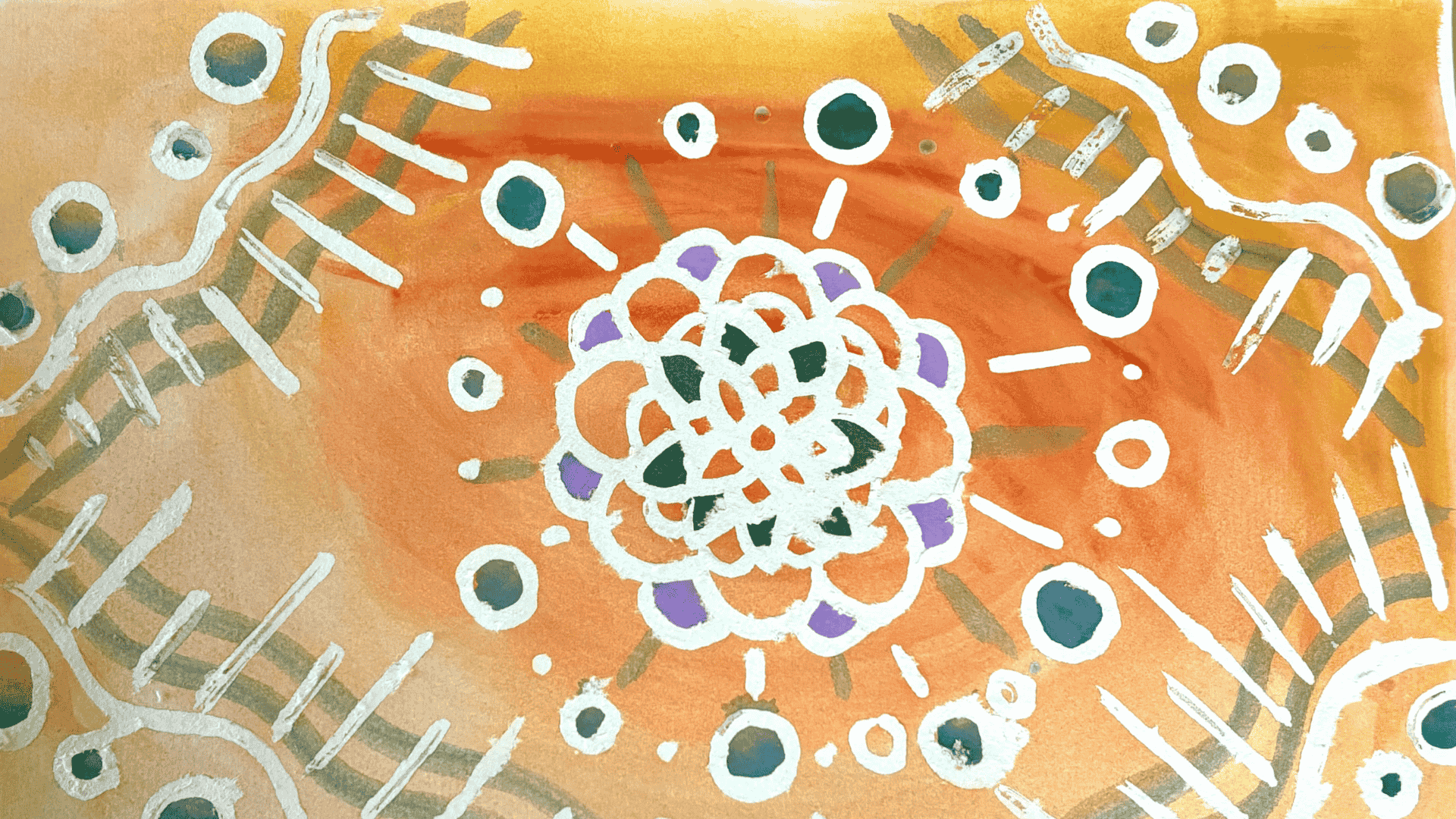
As someone who loves to paint and experiment with various mediums, I used to find that watercolor can be less forgiving than all of them! For instance, with acrylic paint, you can layer paint on top of another to create a desired effect – even if you make an accident, you can go over it again. This is similar to oil painting, except the drying time can take a while. However, with watercolor, the moment you paint with a dark shade, it’s almost impossible to fix. You can try dabbing some paint off with a paper towel, but you’ll still find traces of dark colors on the surface. Because of this, it’s important to practice layering colors from light to dark and adding more or less water.
Materials Needed
- Brushes
- Palette
- paper
- Water
- Watercolor pigments
Prompts
A nice way to experiment with watercolor is by keeping a sketchbook handy. These don’t have to be perfect drawings, but used for experimentation, mark-making, and trying new things. One fun way to learn watercolor is by doing prompts to get the creativity going. You can try drawing animals, nature, landscapes, people, places, and objects; the list to creativity is endless!
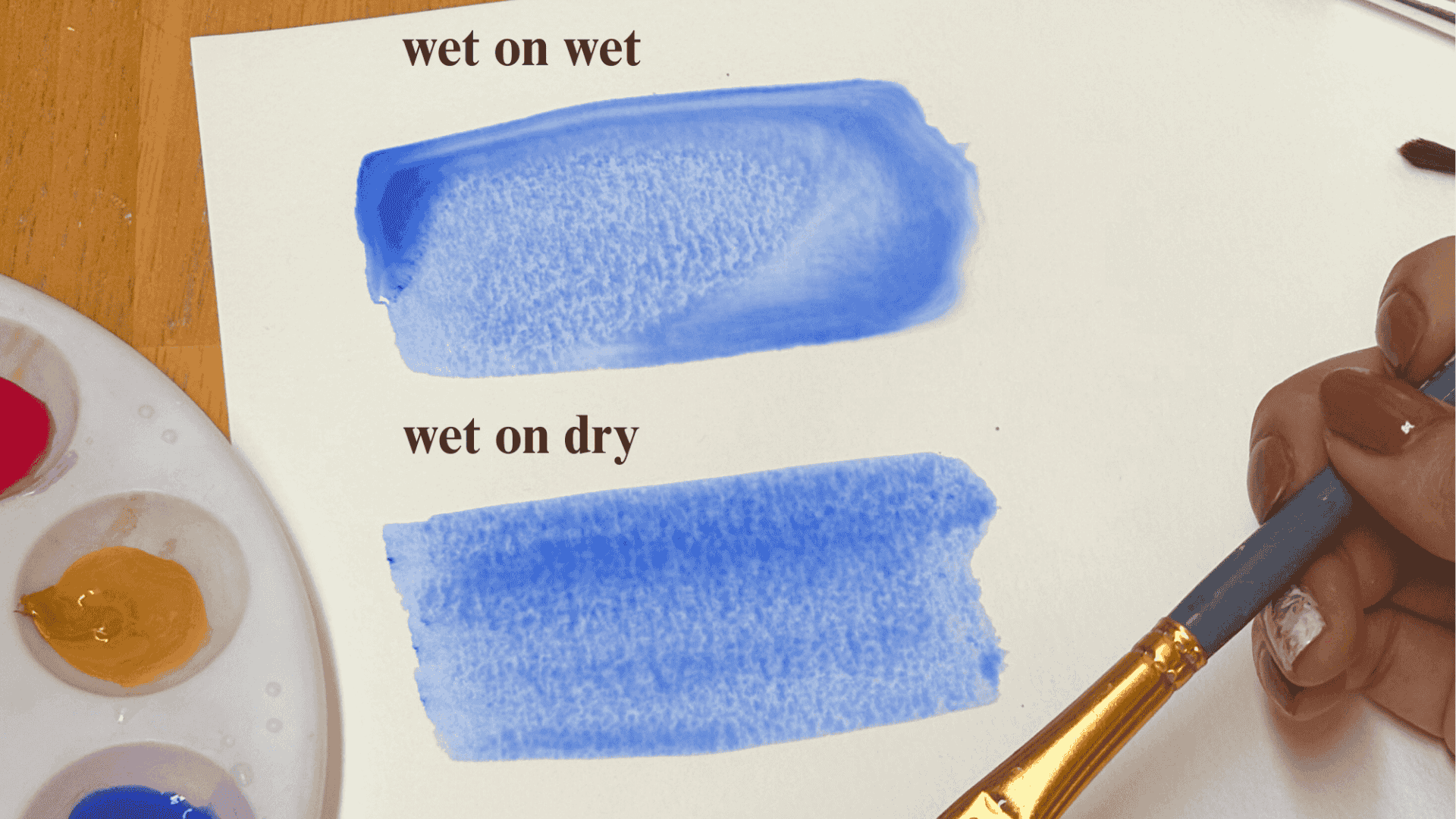
Wet on Wet
This is achieved by using water to wet the surface of the paper beforehand, then going over it with paint. Doing this helps with achieving a soft blend, ideally for backgrounds or the first layer, where you want the surface to be lighter than the rest.
Wet on Dry
For this type of painting, we use a wet brush on a dry surface. Depending on how much water you add, this part can be more transparent or have hard lines. This is typically done after the wet-on-wet technique.
Step by step painting – How to use watercolor
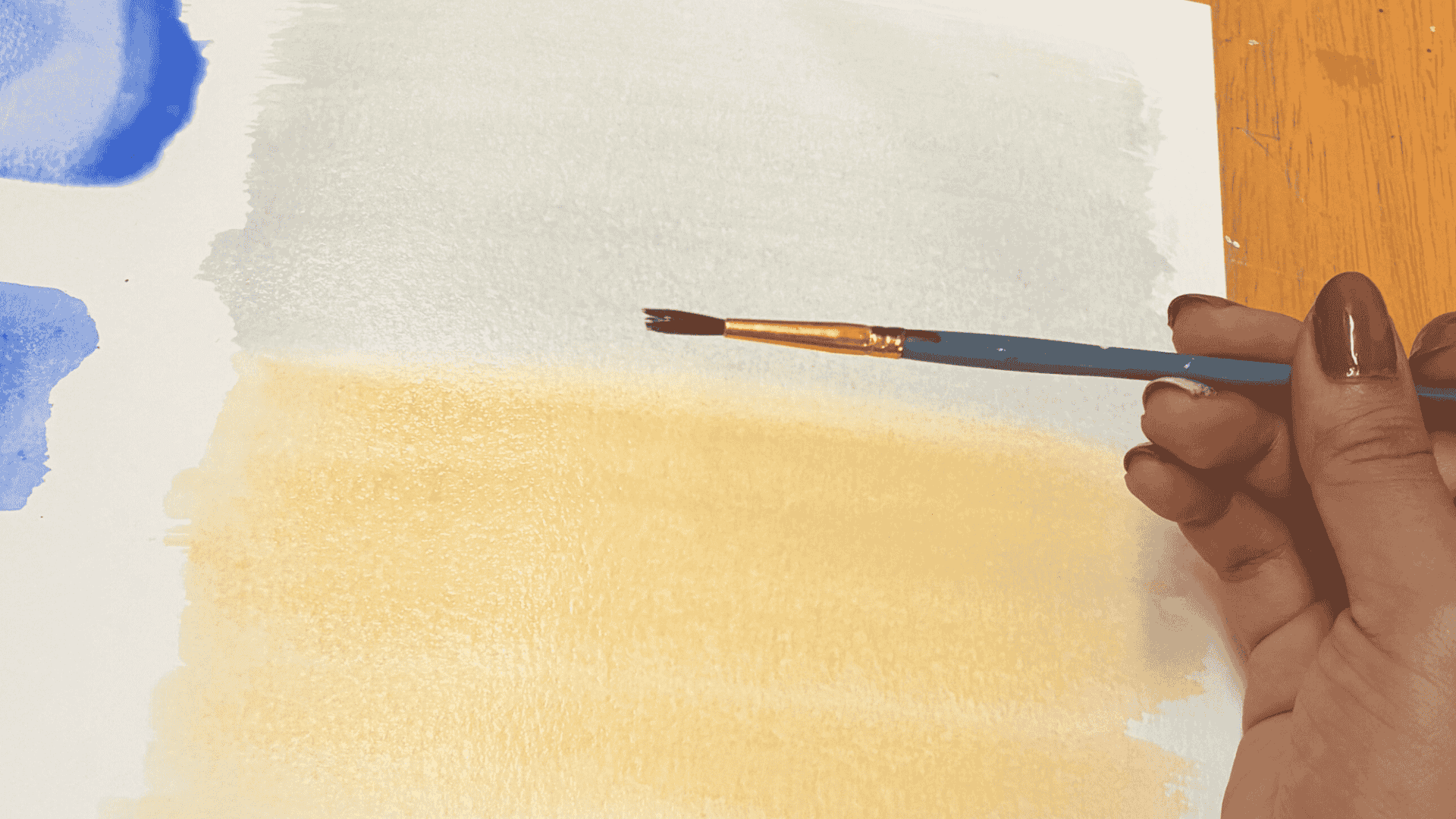
1. Start by doing the wet on wet technique – puting a light wash of yellow ochre to the foreground with a light wash of yellow ochre with a touch of ultramarine blue towards the top.
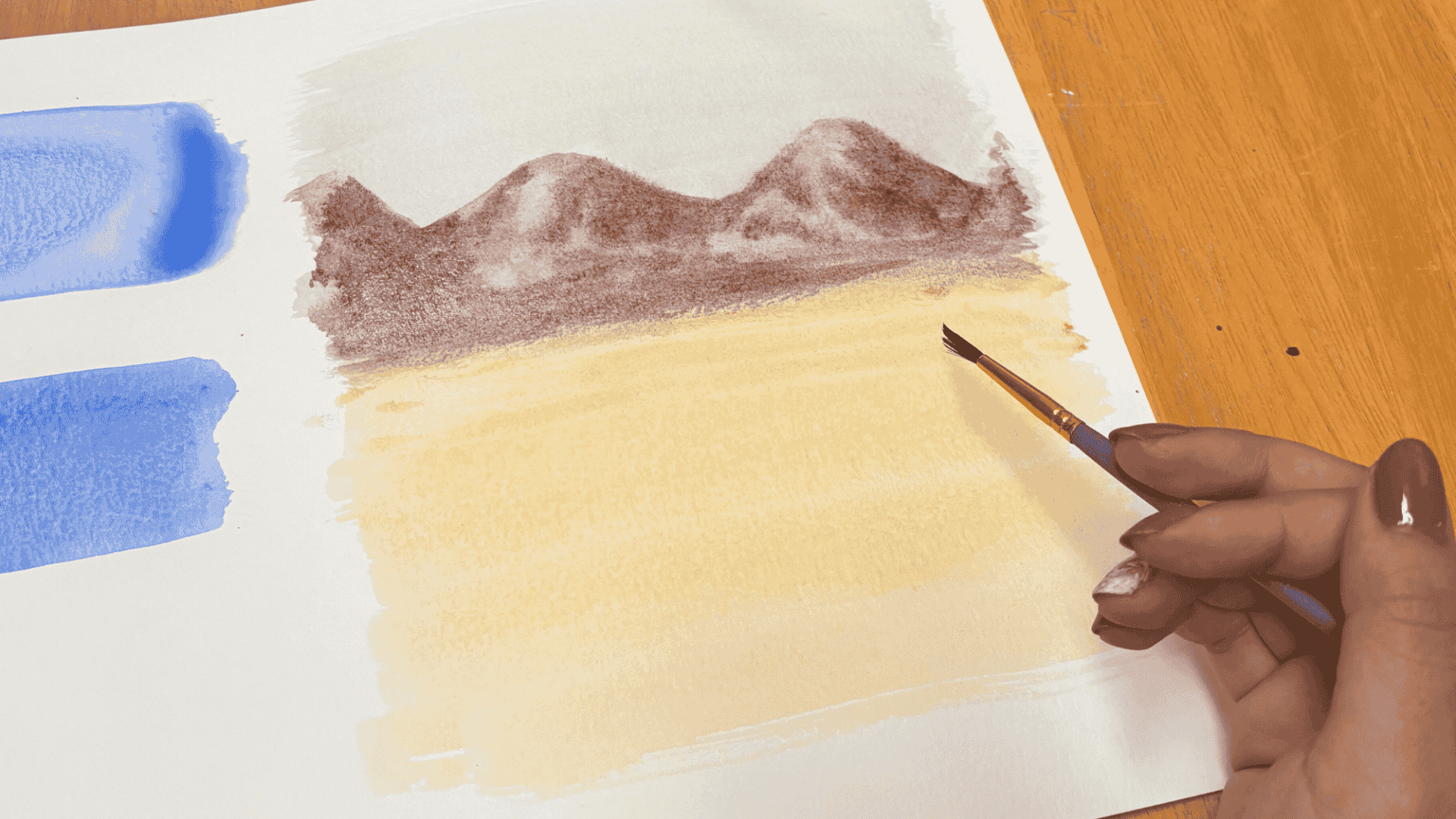
2. Next we’ll mix ultramarine blue and alizarin crimson red, dilute it with water and create distant mountains. I used this same mixture with an added burnt umber to create the tree trunk using less water so that it’s more prominent.
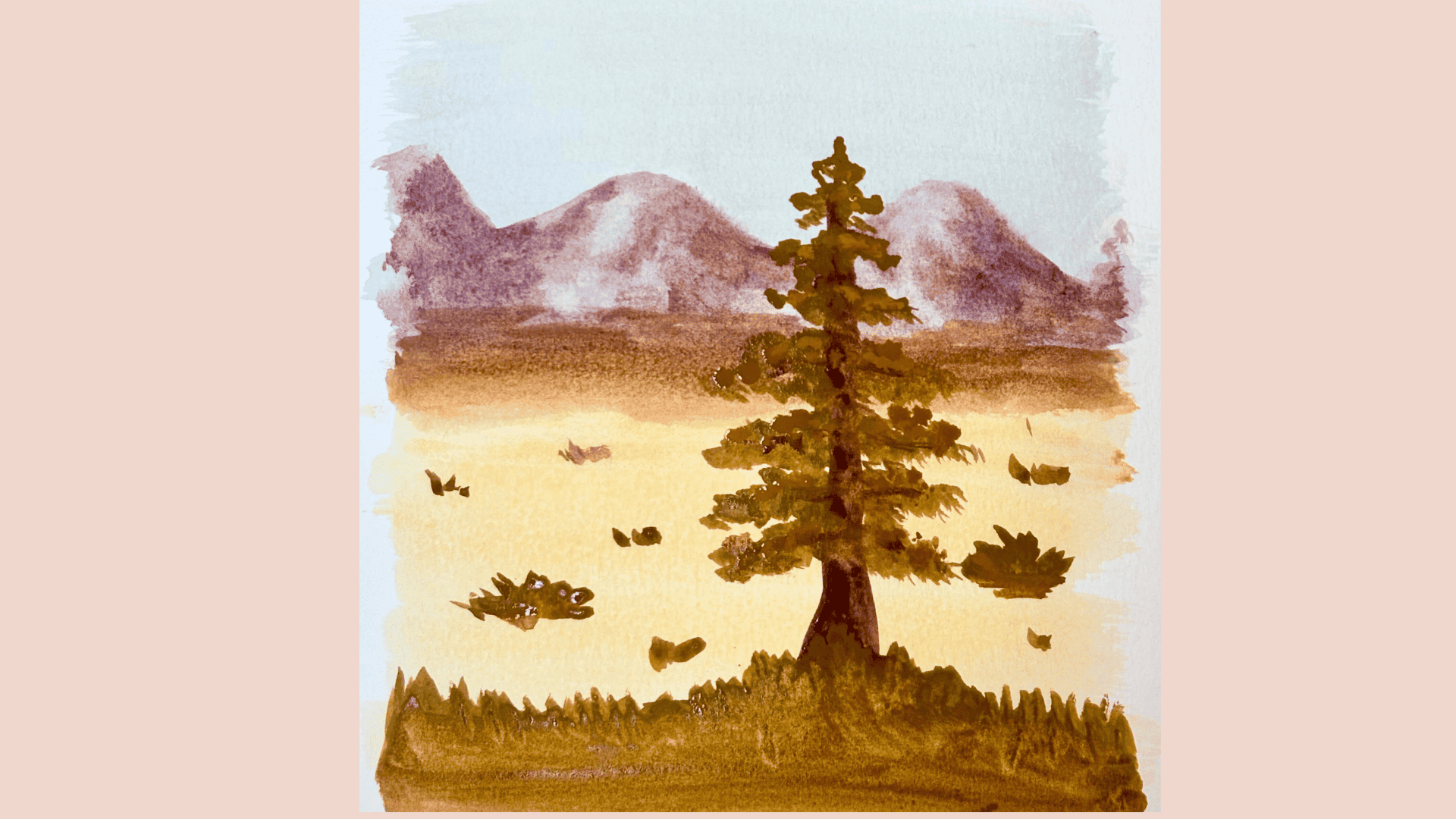
3. After, I added yellow ochre and ultramarine blue to create the leaves for the tree and grass around the scenery.
Conclusion
Watercolor painting is about more than technique. It’s about slowing down, letting go, and finding joy in the unexpected. From light washes to layered details, each brushstroke is an opportunity to play and discover something new. Whether you’re painting in a sketchbook or creating a finished piece, remember that the process itself is what makes watercolor so rewarding.
Have a fun time learning how to use watercolor paint! If you want to see more tutorials or read more about art, feel free to check out our other blog posts or catch a workshop at Happy Hands.

Related Articles

0 comments on "Finding Joy Using Watercolors"