Experiencing Public Art
Public art is unique and notable for its distinctiveness. Unlike a painting displayed behind protective glass in a gallery, public art is encountered within the flow of daily life, often in unexpected ways and communal spaces. Placed outside of institutions like museums, public art fosters endless interaction, whether physical, visual, or emotional. This type of work impacts both the environment and our navigation and connection with art. Two key examples are the “Cloud Gate” in Chicago and “The Floating Piers” on Lake Iseo, Italy, which demonstrate the different ways public art can engage us.
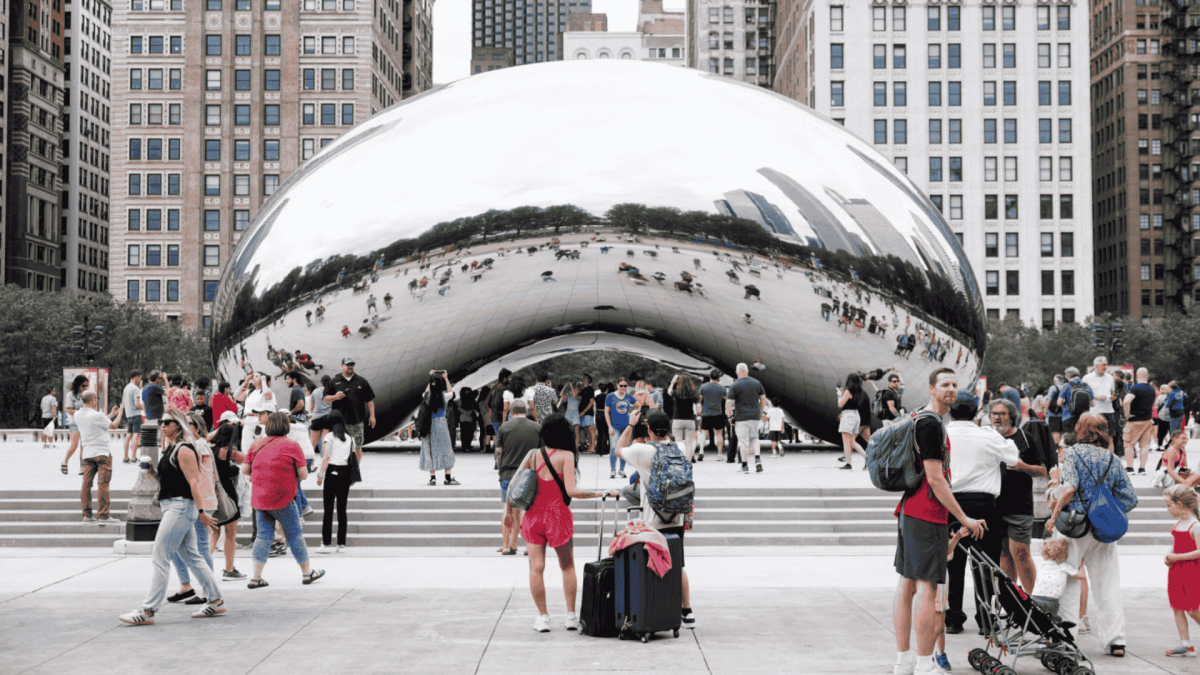
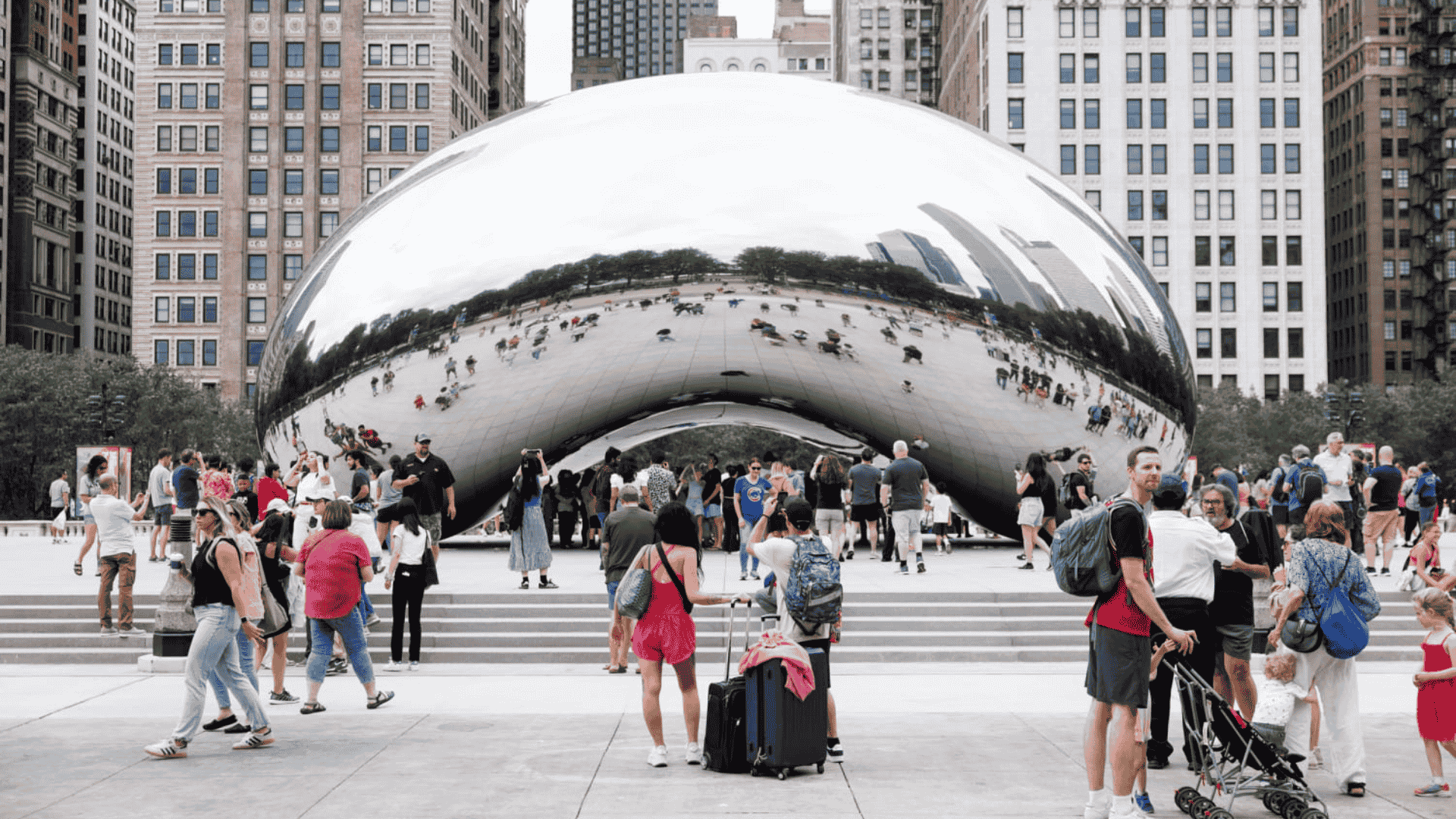
“Cloud Gate” was created by the artist Anish Kapoor. Often referred to as “The Bean,” this sculptural installation stands out in Millennium Park with its sleek, reflective surface. People are not only drawn to admire it but also to interact with it. Its mirrored stainless steel shape distorts the skyline and enhances the reflections of viewers, turning onlookers into active participants. Children run beneath, tourists snap selfies, and passersby halt in their tracks, seeing their surroundings in new ways. In this instance, public art serves as a mirror, both in a literal and metaphorical sense. This artwork encourages self-examination and shared experience within the urban setting of Chicago.
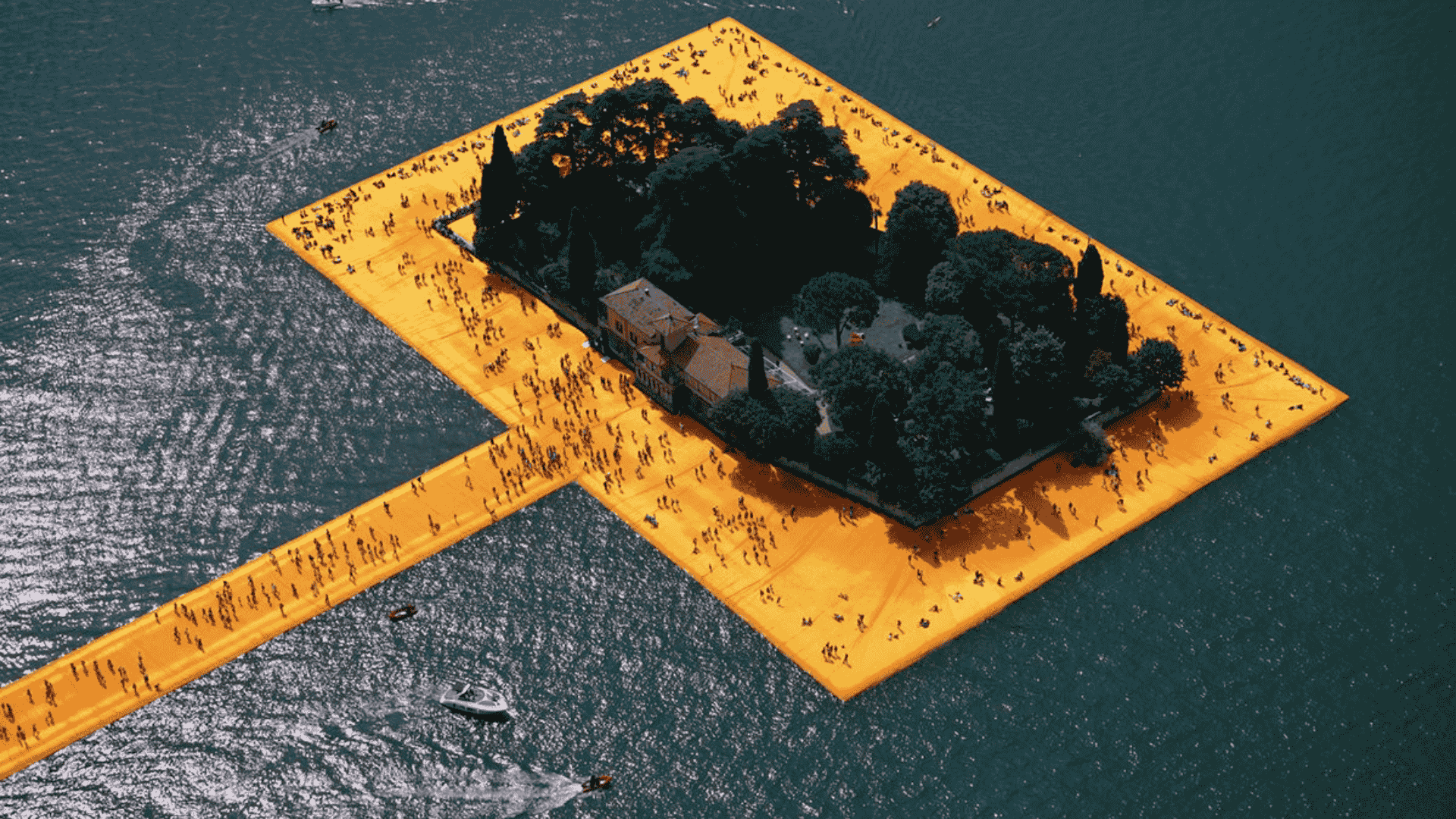
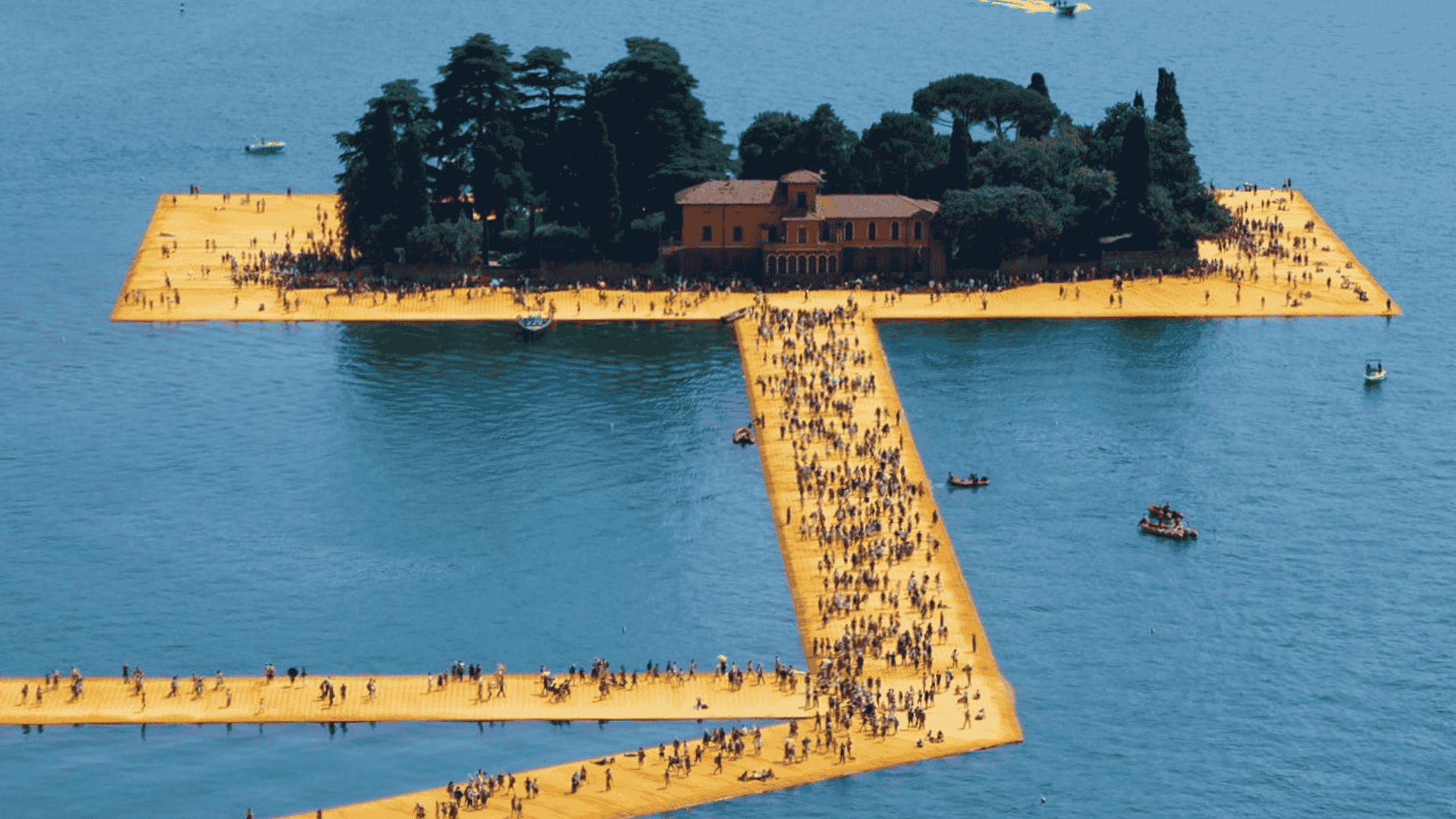
In contrast, “The Floating Piers”, conceived by Christo and Jeanne-Claude, offered a unique mode of engagement. For a period of 16 days in 2016, striking golden pathways constructed from high-density polyethylene secured to the lakebed extended for 3 kilometres across Lake Iseo, linking the mainland with the small island of Monte Isola. More than 1.2 million people visited the installation during its brief 16-day run, attracted by its fleeting beauty and unique physical experience. The project, which took 40 years to bring to fruition, showcased Christo’s commitment to transforming landscapes into engaging, immersive experiences. The installation was both immersive and ephemeral, creating an experience that could only be lived in that specific location and time. Visitors interacted with the artwork not as spectators but as contributors, feeling the gentle movement of the piers beneath their feet and observing the interaction of light on the water. It transformed the landscape into a collective, almost dreamlike experience, merging the realms of art, nature, and human life.
Both artworks illustrate that public art is intended for more than mere visual appreciation; it is designed to be experienced. “Cloud Gate” invites us to view ourselves in relation to the urban environment, whereas “The Floating Piers” encourages us to sense our connection to our surroundings. In both cases, the public becomes an essential element of the artwork, deriving meaning through their engagement. Public art reminds us that creativity extends beyond galleries; it is meant for the spaces we share, the paths we walk, and the moments we experience. Whether through reflection, movement, or wonder, it transforms ordinary places into pathways of exploration, connection, and communal joy.
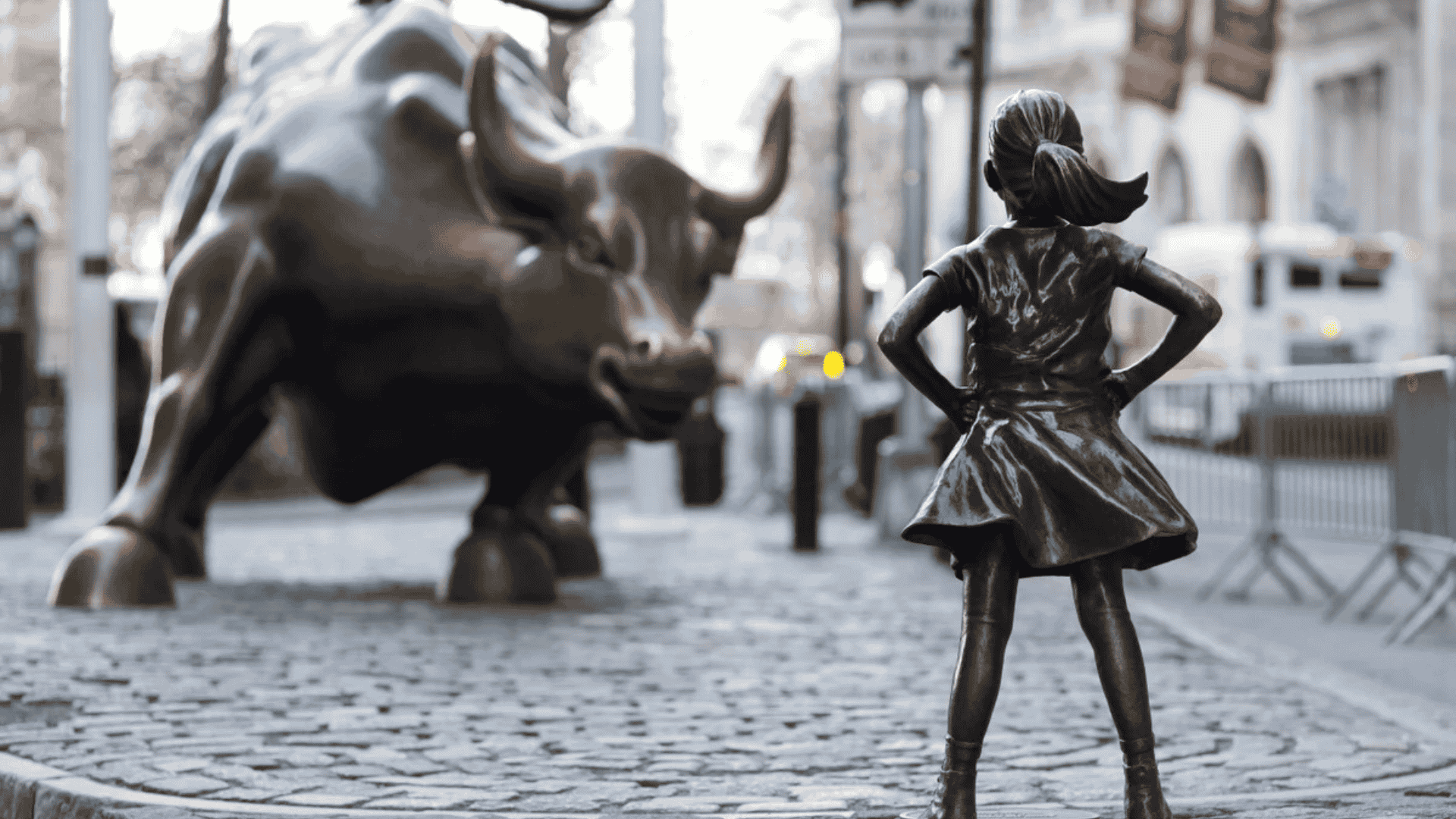
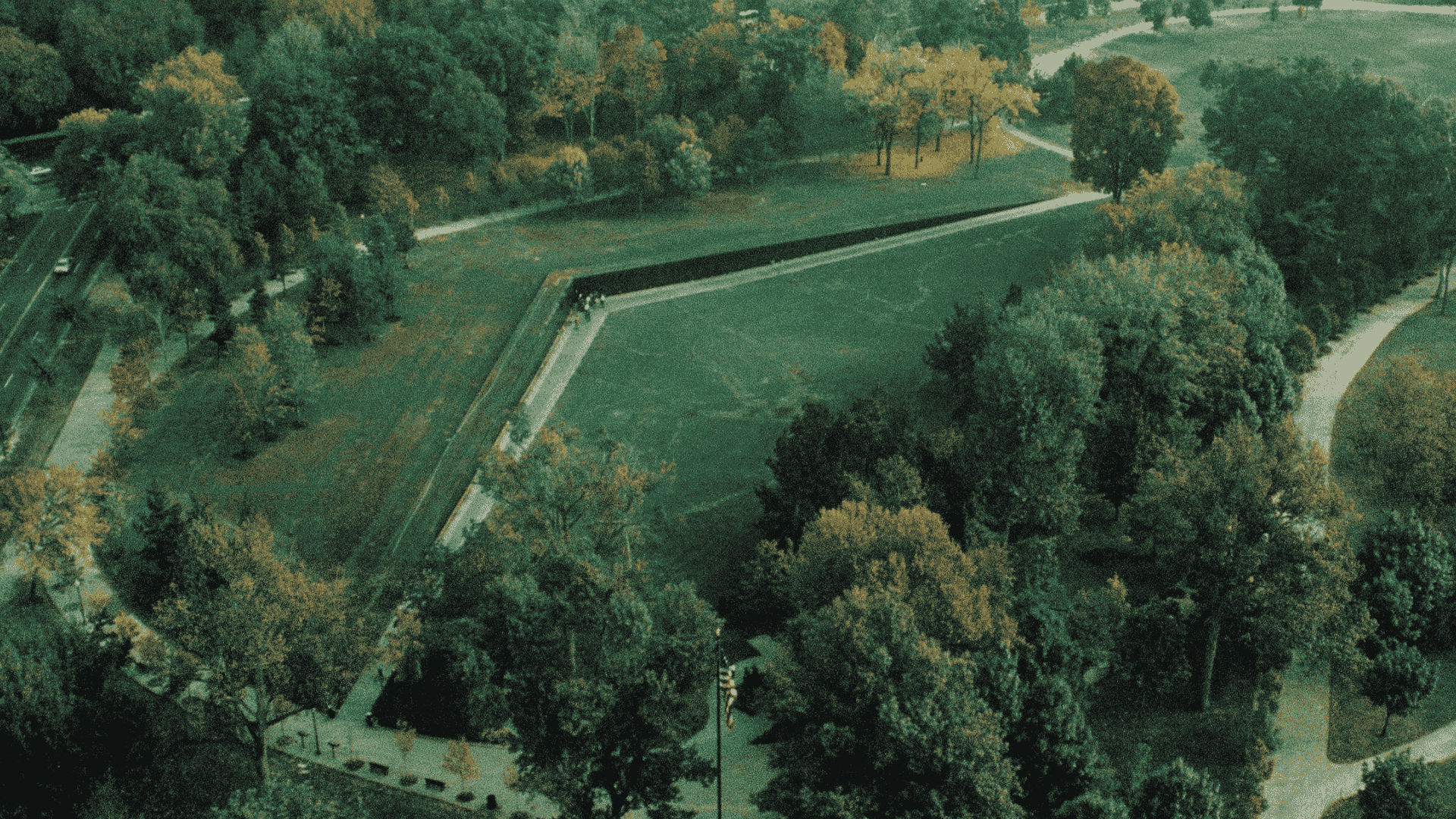
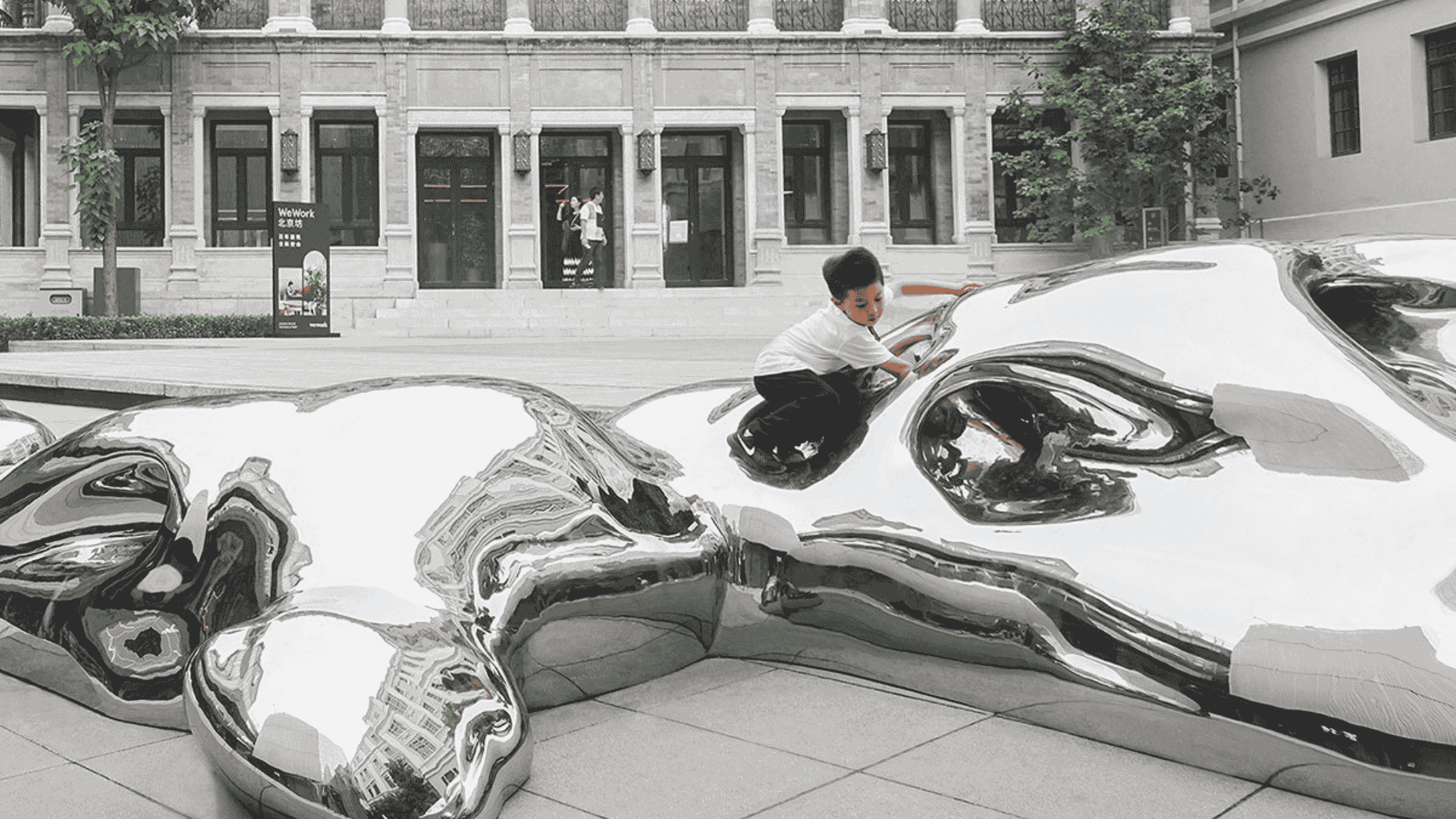
Here are a few more examples of well-known public artworks:
“Fearless Girl”, 2017, New York City. Artist: Kristen Visbal
“The Vietnam Veterans Memorial”, 1982, Washington. Artist: Maya Lin

“Mirrored Cloud”, 2018, China. Artist: Wong Yanggang

Related Articles



0 comments on "Experiencing Public Art"