Soaking in the Summer with Watercolour
The Benefits of Watercolour Painting
Watercolour paints are light, portable, and quick to dry, making them perfect for summer exploration, indoors or outdoors. Their delicate nature allows for layering multiple washes of colour, naturally mimicking the soft glow of summer sunlight.
Watercolour paints are available in both tubes and pans, each offering distinct advantages for different situations. I personally prefer to work with watercolour pans, as they separate the colours into small sections, allowing you to dip your watercolour brush directly into each one. These pans typically have a designated area on the lid or side for mixing paint colours, making them easy to transport! I often toss my watercolour set into my tote bag when heading out for a hike, a day at the beach, or to practice nature studies at a nearby park. The convenience of travelling with watercolours makes it one of my favourite plein air mediums. It requires very little setup; only water is needed to activate the paint, allowing me to pack light and create endlessly.
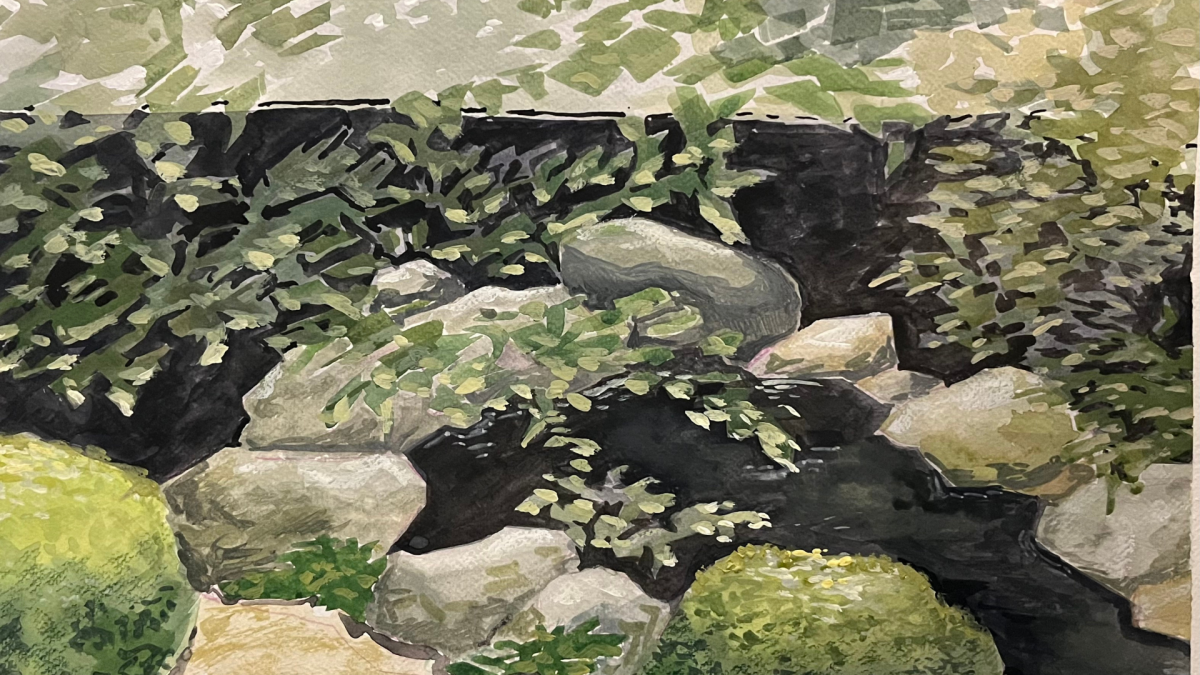
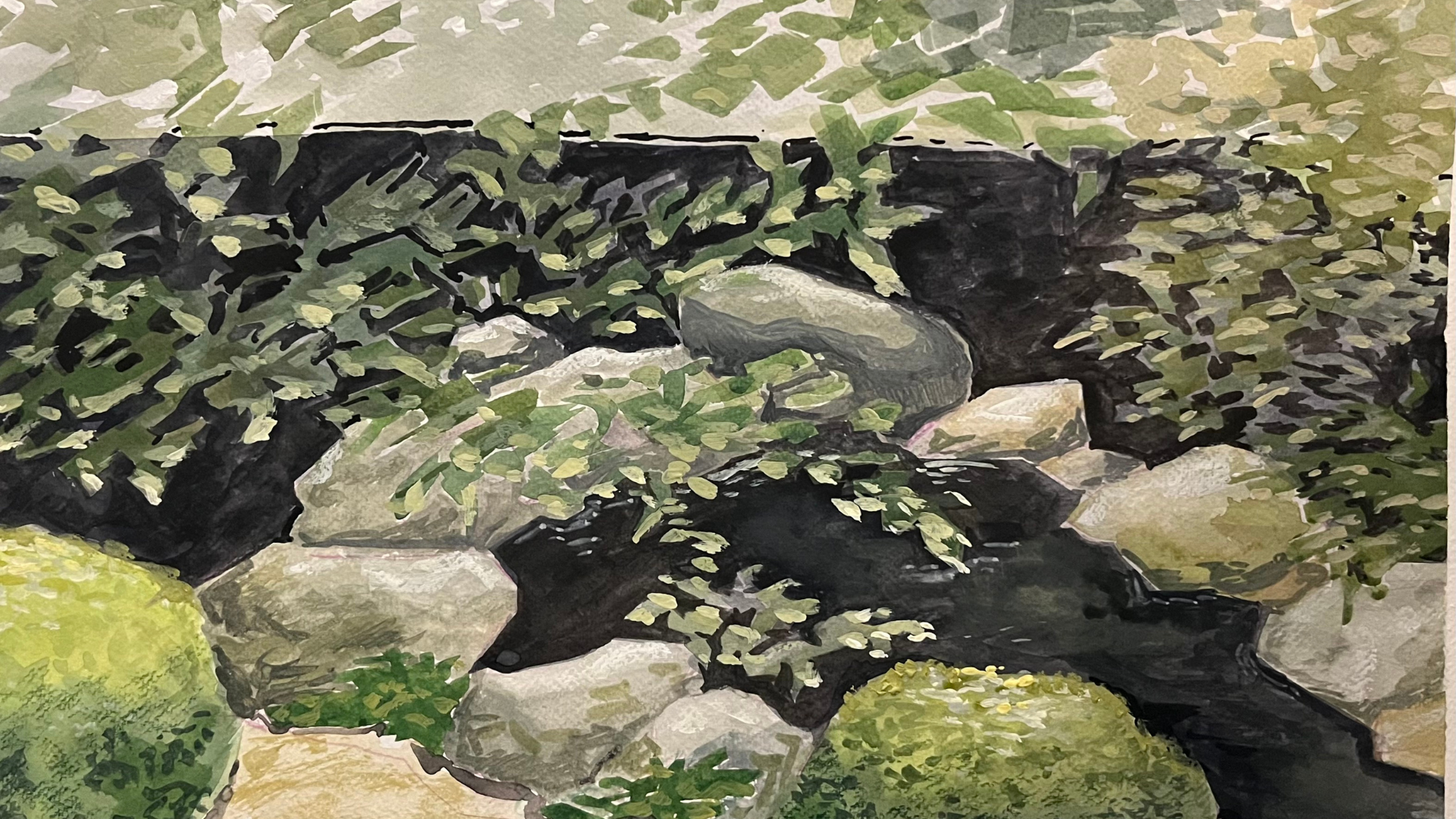
Just last year, dealing with the stress of school, I found myself at my university’s arboretum. I sat in the quiet Japanese garden, surrounded by flowers, plants, and the soft rippling of a waterfall. After taking in my surroundings for a few minutes, attempting to temporarily forget about my upcoming midterms, I pulled out my watercolour set and got started. I did a few quick studies of the leaves hanging over the rock fence and tried to capture the luminosity of the small pond.
Once I felt familiar with the garden, I opened my watercolour sketchbook to a fresh page and completed a more detailed study of the Japanese garden. I concentrated on the light shining through the spaces in the leaves, a phenomenon known as “Komorebi” in Japanese, which describes the sunlight filtering through the leaves of trees. A concept so charming that once you learn it, you will never forget! I completed my painting and waited for it to dry. As I walked home through the arboretum, I felt significantly calmer than I had a few hours earlier. It was as if the garden and the watercolours washed away my stress. I continue to visit the arboretum regularly, sometimes bringing my friends along to relax with me!
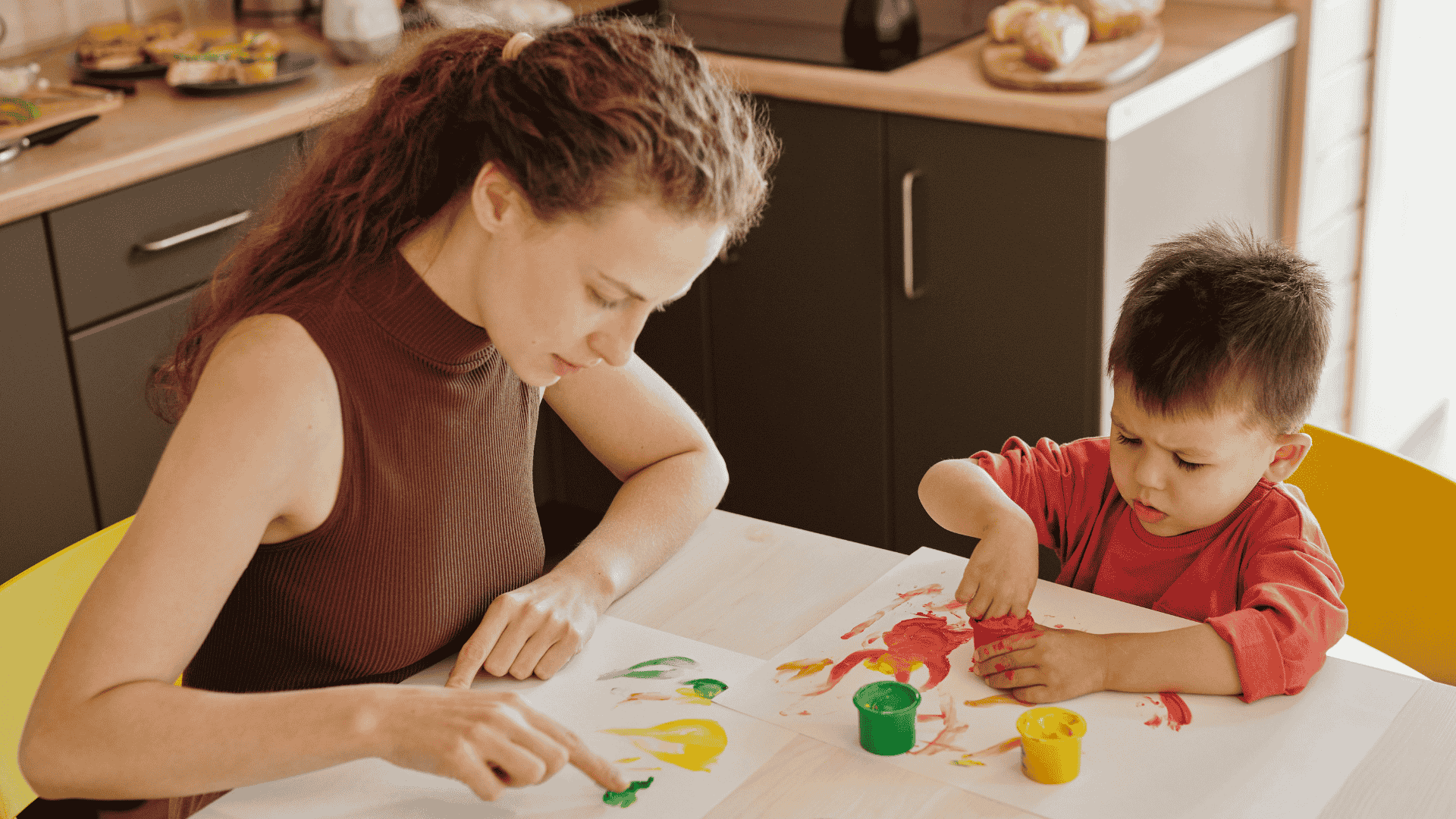
Watercolours are not only easy to transport, but they are also a great medium for beginners who want to start painting. They are generally more forgiving than acrylics or oils, and if you are quick enough, you can often wipe away mistakes with a dry paper towel! In contrast to acrylic and oil paints, which need various solvents and activators, watercolours only require water. I am currently working on creating watercolour workshops for younger kids, around the ages of 10-15. Creating classes that demonstrate the basics of watercolour and also stimulate creativity is my main goal at the moment.
I have observed that many younger kids find it easier to work with watercolours rather than acrylic paints. Watercolours, as mentioned earlier, are more forgiving and allow students to take more risks with their artwork. When children are not afraid of “ruining” their art, they feel more confident in trying out new techniques and adding more details to their work. Having experienced this myself, I believe it’s crucial to push your artwork to its fullest potential by taking risks and embracing the outcomes.
By promoting experimentation and alleviating the fear of errors, watercolours provide a nurturing environment for young artists to develop both their technical skills and creative abilities. My aspiration is that through these workshops, students will not only establish a solid foundation in painting but also gain the confidence to express their ideas more freely and confidently. Observing their excitement when their colours blend perfectly or when they discover that a “mistake” actually improves their work is what makes teaching this medium so fulfilling. Overall, I aim for these classes to create a lasting passion for art, one brushstroke at a time.
The Meaning of Colour
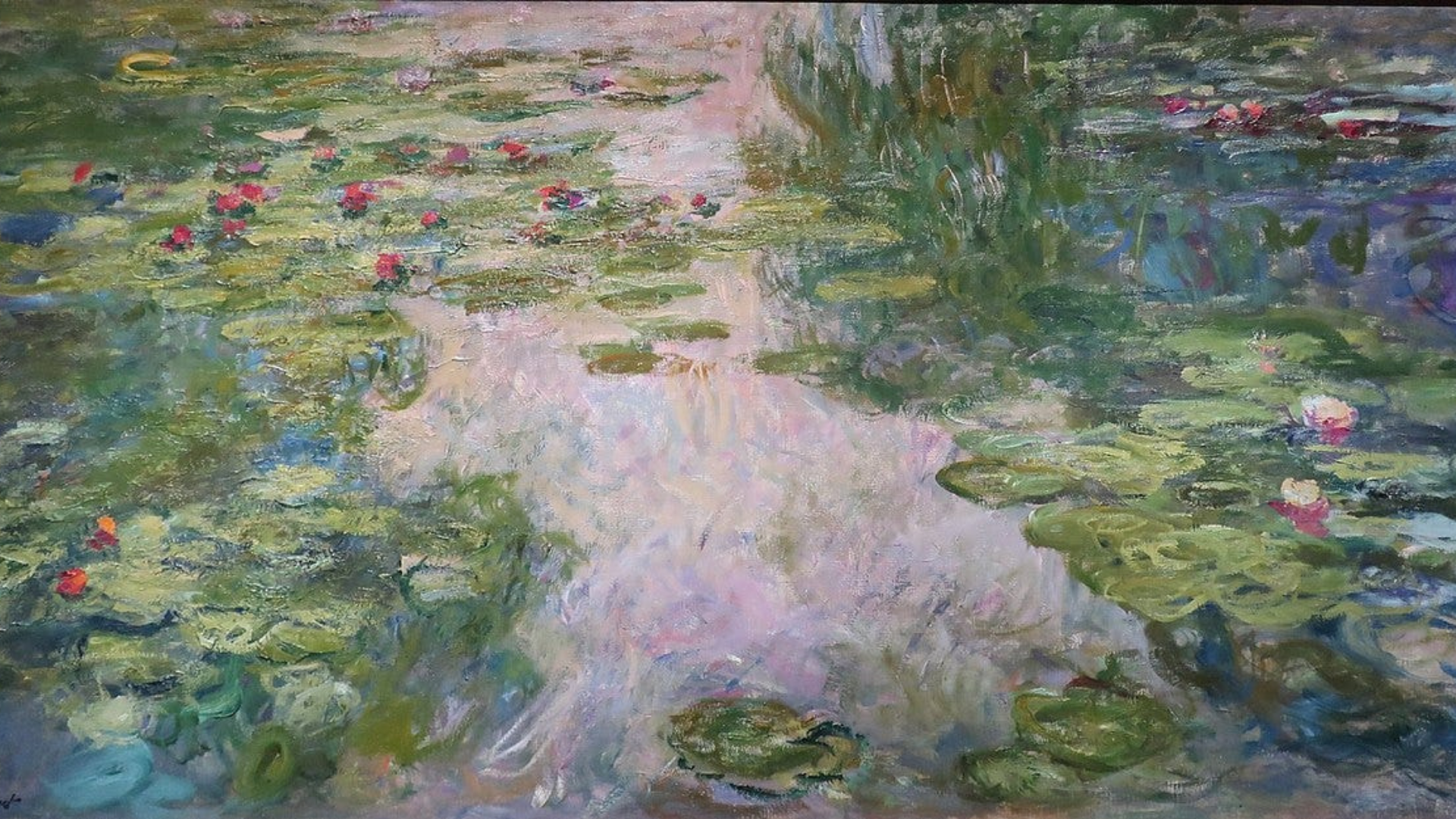
While technique is important, understanding how colours influence and impact your artwork is arguably more significant. We are often taught the difference between warm and cool colours, learning the basics of colour theory. Next, we learn how different colours express various feelings and moods. This idea is significant in the art world as it influences how viewers perceive certain works. For example, Monet’s water lilies were often painted using primarily cool tones and shades of blue, green, purple, and pink. These colour palettes convey feelings of calm and tranquillity. Now, imagine Monet’s painting, shown below, rendered in bright, warm shades of red, orange, and yellow. How would that alter your perception of the piece, and do you think the painting would still achieve the same level of success?
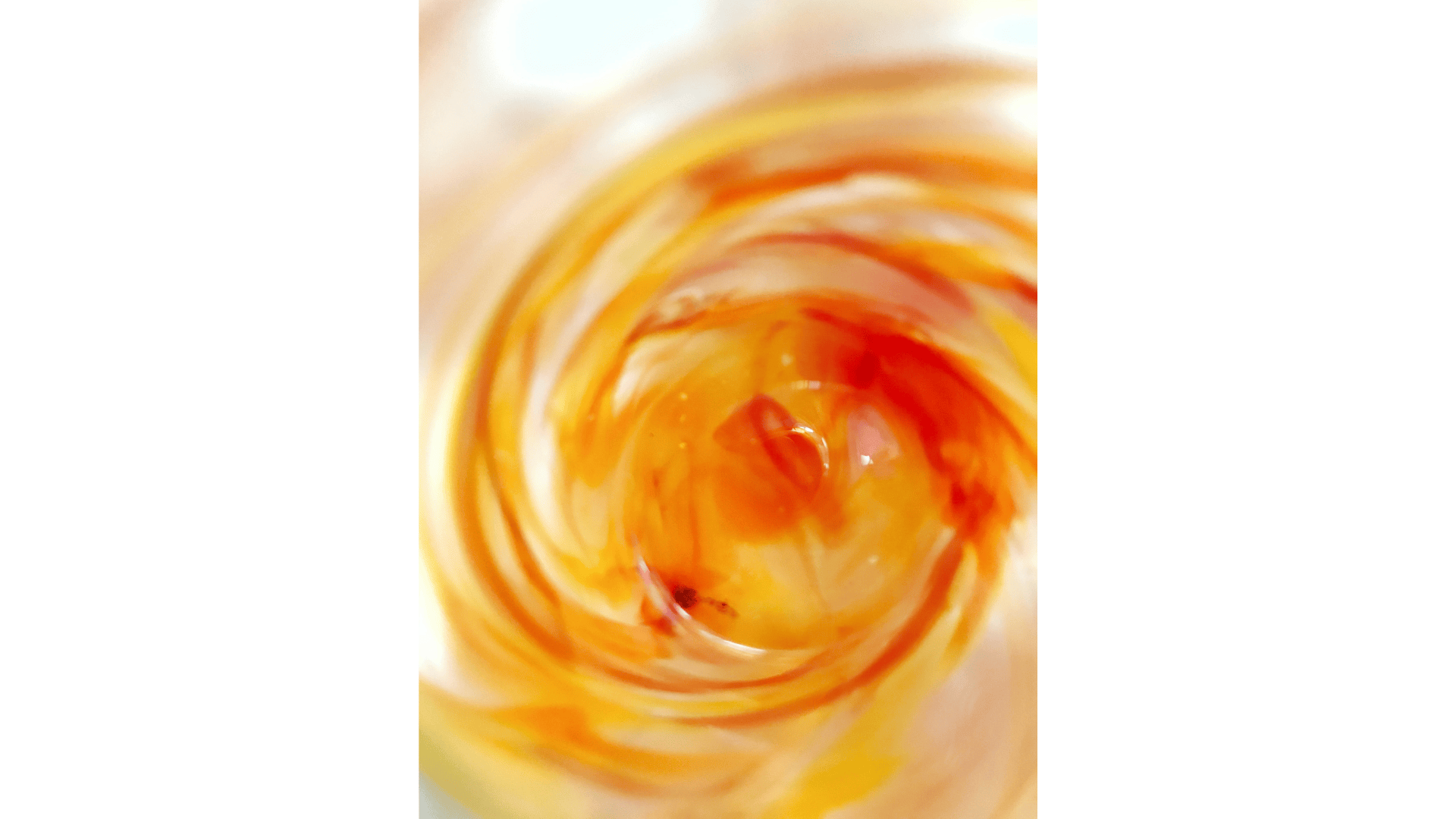
Regarding summer colour palettes, I focus on the warm oranges of sunsets, the vivid blues of the sky, and the vibrant greens of the trees surrounding my cottage. Although it may be a personal belief, I feel that the colours of nature in summer shine in a unique way that isn’t seen in any other season. There is something about the brightness and light from June to August that inspires me to capture it in my paintings. My goal during the summer season is to portray the emotions and vibrancy of each summer hue. When it comes to my suggested summer paint palette, I will always recommend cadmium yellow, cobalt blue, and vermilion. These variations of primary colours are brighter than other options and have a glowing effect when applied to a painting. What more could you hope for than capturing the warmth of the morning sun with cadmium yellow paint?
Summer Painting Ideas
Creating in the summer can be as simple as carrying your watercolours in a tote bag until inspiration strikes. However, sometimes, a bit of guidance is needed to kickstart your creativity! Below are a few watercolour painting ideas to try out this summer season.
1. Simple Summer Sunset
- Practice wet-on-wet watercolour techniques and create a soft summer sunset painting. You may use cool colours to convey a calm sunset or warm colours to portray the end of a hot sunny day on the beach!
2. Beach Scene
- Paint the rippling water, sandy shores, and a bright summer sky using vibrant colours. You can add painted or cut-out flip-flops, umbrellas, beach towels, and sandcastles to your artwork to add another layer of fun!
3. Melting Popsicles
- Create popsicles or ice cream cones on a sheet of watercolour paper. You can paint your favourite flavours or get creative and design your own! Then, allow the watercolour paint to drip down the page, creating the effect of your melting summer treats.
Tips and Tricks
- Use masking tape to create clean borders for your paintings
- Let the layers of paint dry before adding details
- Use a white gel pen or white acrylic paint to add highlights to your painting
Conclusion
Summer is a season full of inspiration, and watercolour is the perfect medium to capture its warmth and vibrancy. Whether you find yourself sketching during a peaceful walk in the park, painting by the beach, or experimenting with new paints at your kitchen table, watercolours provide the freedom to explore new techniques. Through my own experiences, I believe that watercolour painting can calm, educate, and inspire. This summer, embrace new painting styles, trust the process, and allow your creativity to grow, one sunlit brushstroke at a time!

Related Articles


0 comments on "Soaking in the Summer with Watercolour"