Art History: Historical Halloween Artworks
The visual language of Halloween imagery has undoubtedly influenced how we experience various works of art. Pieces that depict expressions of fear, superstition, and religious symbolism enable us as viewers to fully immerse ourselves in these works, allowing us to be captivated by the emotions they convey. Historical artworks often incorporated common symbols still seen today, such as jack-o-lanterns, ghosts, and skeletons. More frequently, these works featured unsettling depictions of humans or creatures, utilizing specific colour palettes to convey distinct moods and feelings.
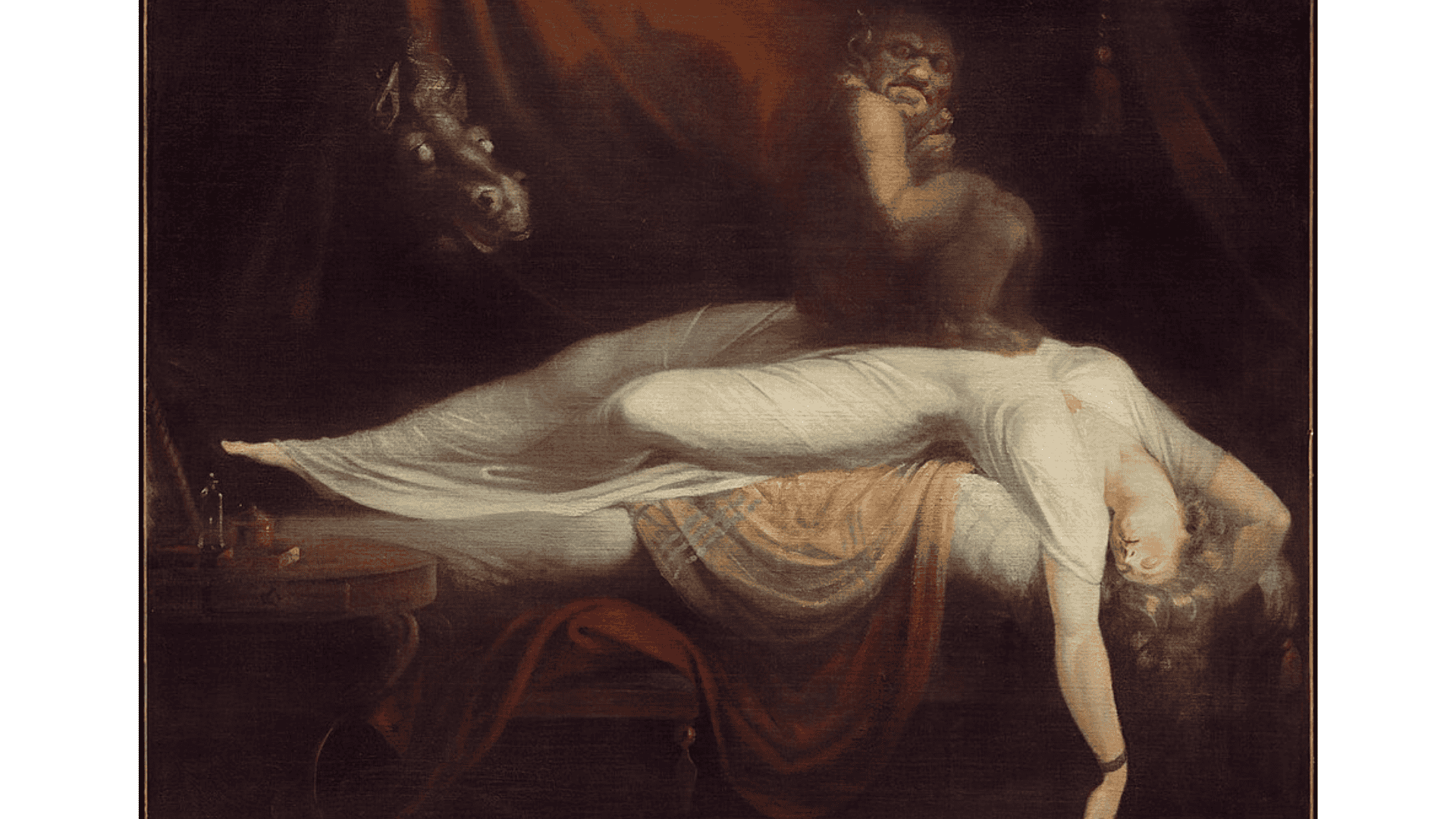
Henry Fuseli, a Swiss painter, captured the unsettling depiction of human figures in his works. Fuseli used ominous imagery and dark, sombre colours to depict disturbing scenes. His work titled “The Nightmare”, created in 1781, represents an eerie depiction of a woman dreaming and the contents of her nightmare.This painting elicits fear in viewers, relating to the overwhelming sensation we all encounter at times when our dreams transform into nightmares.
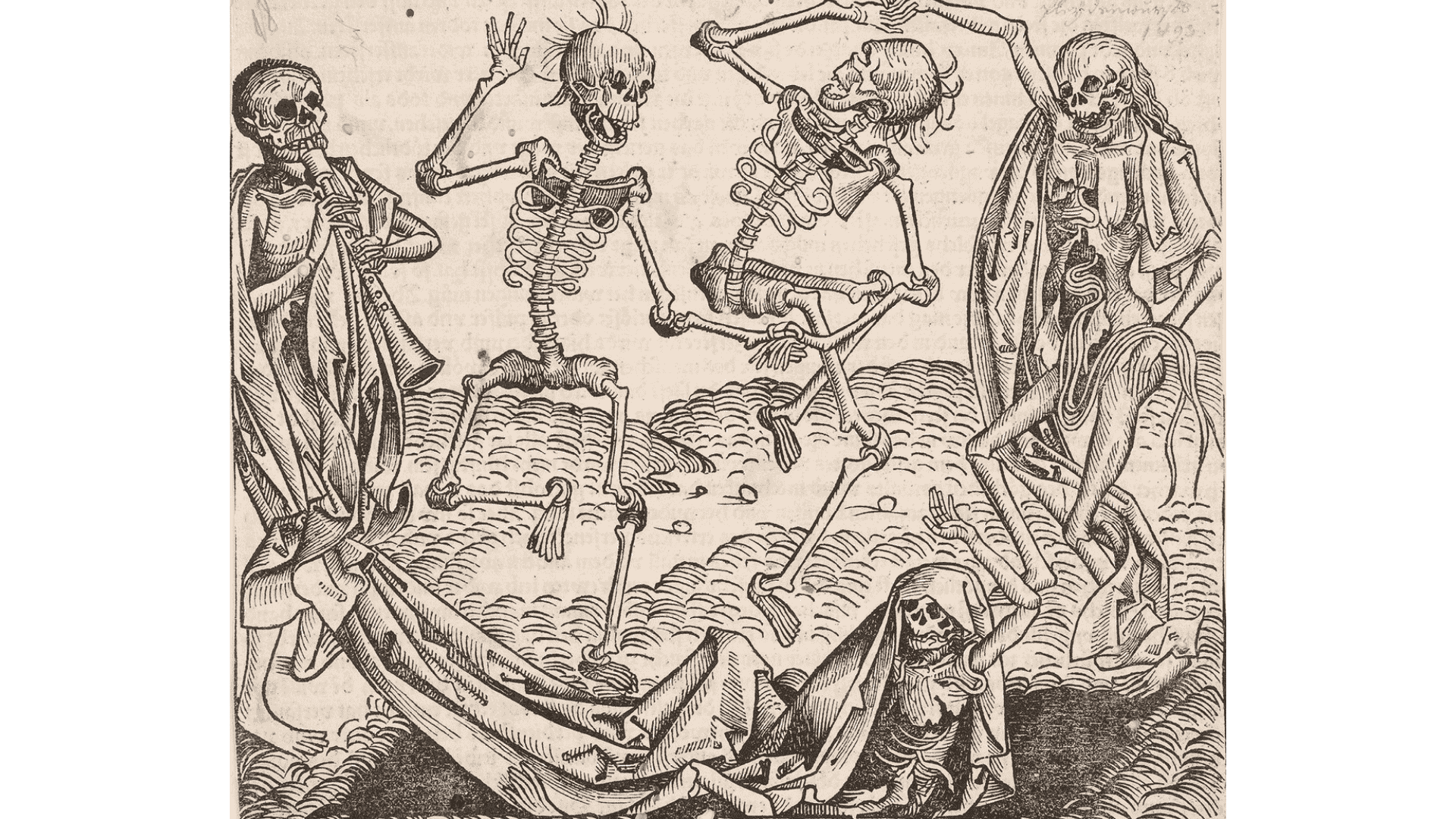
In 1493, German artist Michael Wolgemut produced a woodblock print called “The Dance of Death.” This type of imagery is known as a ‘danse macabre,’ indicating the inevitable reality of death. The danse macabre generally features multiple dancing skeletons and acts as a memento mori (a Latin phrase meaning “remember that you must die”). In contrast to Henry Fuseli’s “The Nightmare,” this artwork focuses solely on symbolism and unsettling figures, rather than relying on carefully chosen colours to convey a specific mood.
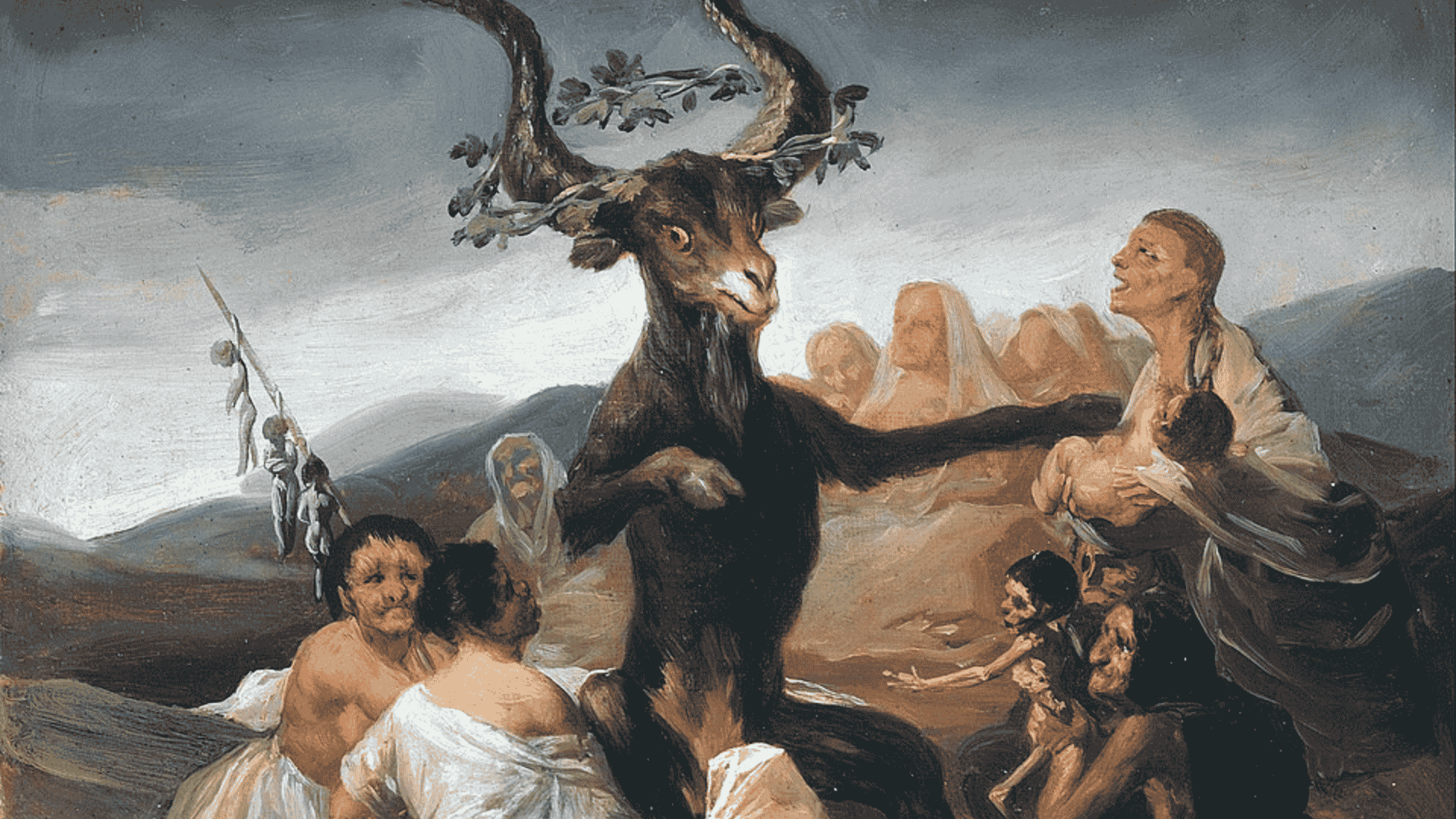
“Witches’ Sabbath,” created by Francisco Goya in 1798, serves as a compelling example of unsettling historical art. Goya employed chiaroscuro, utilizing strong contrasts between light and dark, to enhance the ominous atmosphere. The witches and figures rise from deep shadow, their pale faces highlighted by an eerie glow. This stark contrast generates a sense of drama, mystery, and discomfort, directing the viewer’s focus to the grotesque central goat figure.
Disturbing historical art vividly illustrates how artistic techniques can shape emotional responses. By employing stark contrasts of light and shadow, distorted human figures, and muted or dark colour palettes, artists transform ordinary subjects into compositions brimming with intrigue and fear. This approach immerses the audience in a chilling visual experience.
Here are a few more historical examples:
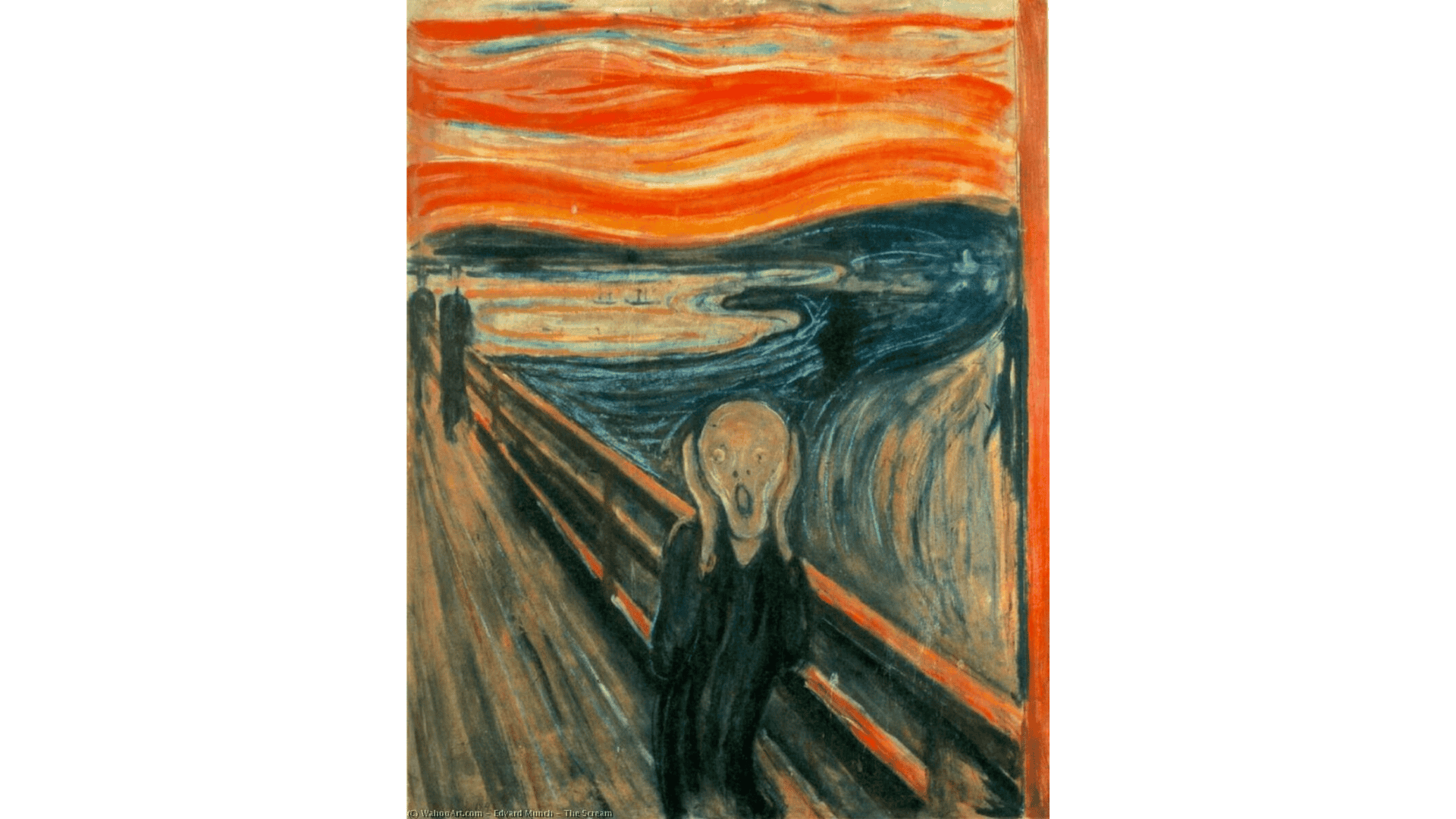
The Scream, Edvard Munch, 1893:
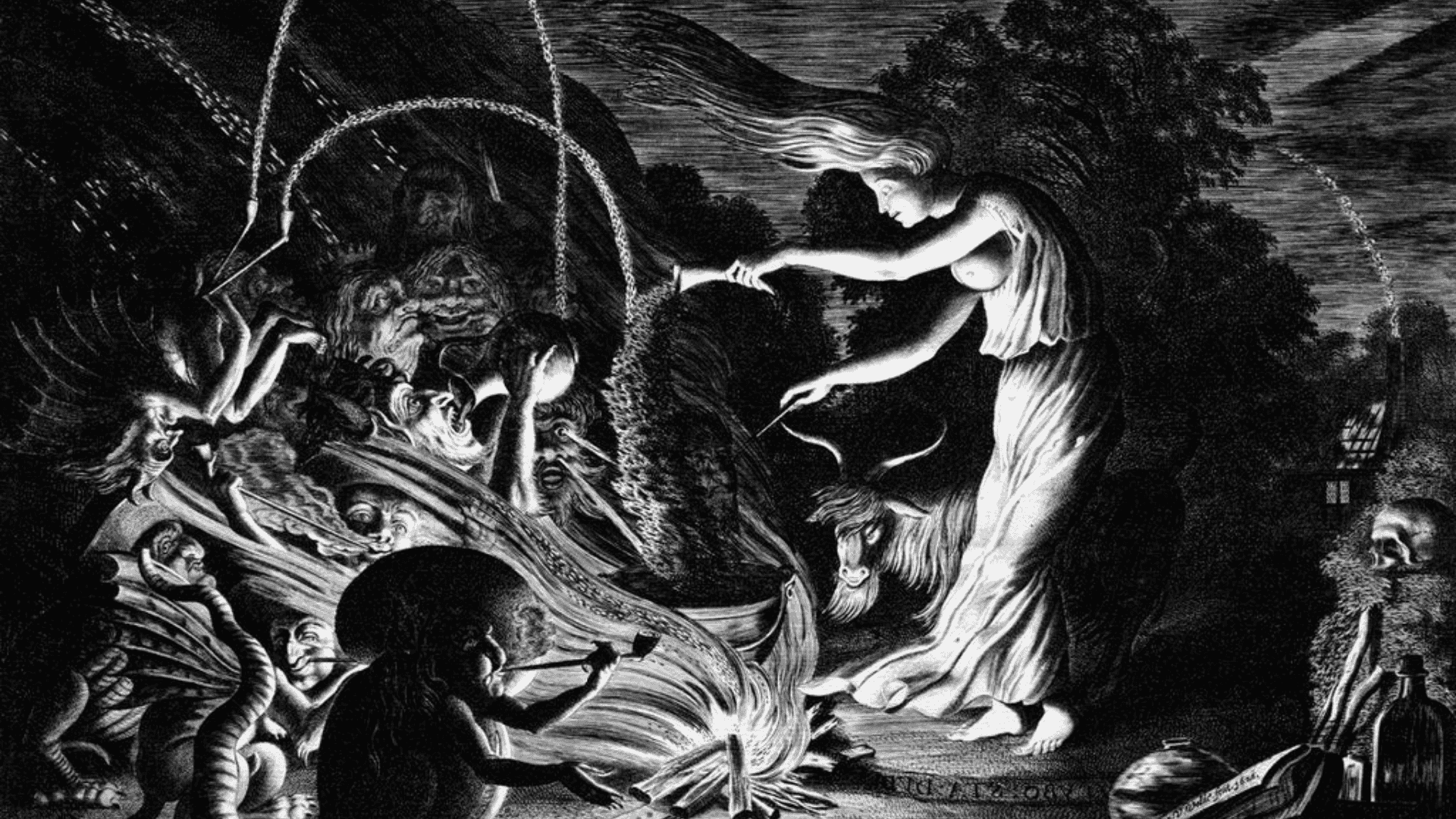
The Witch (Night Piece), Jan van de Velde, 1626:
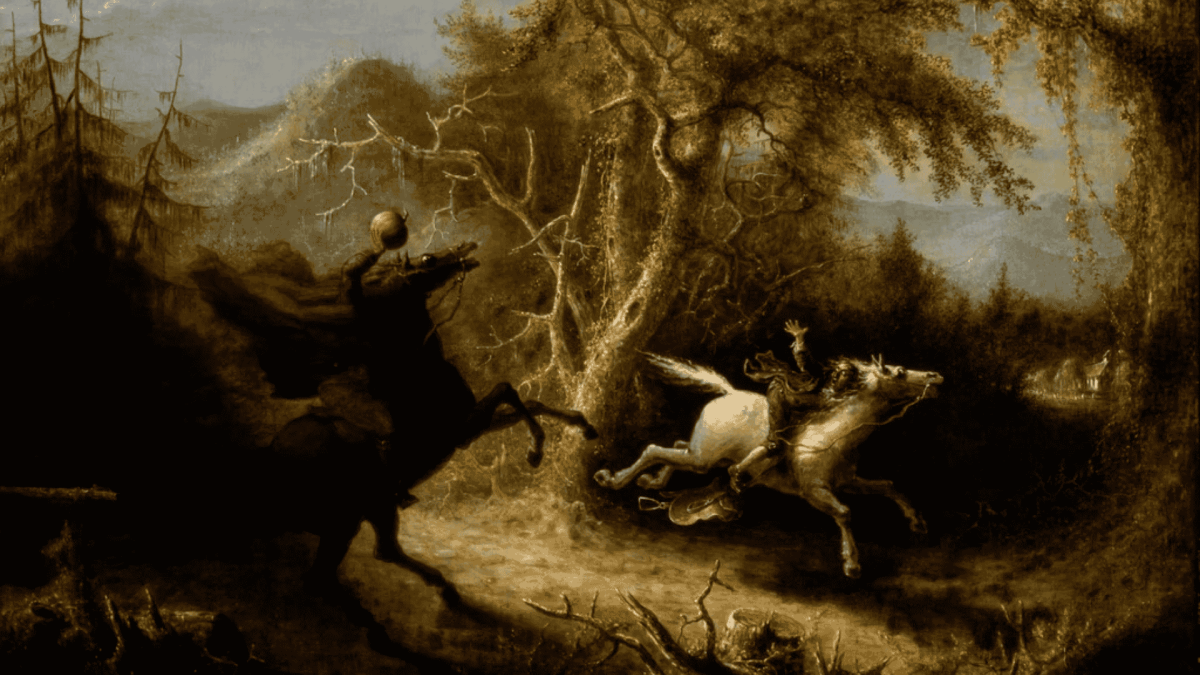
The Headless Horseman Pursuing Ichabod Crane, John Quidor, 1858:

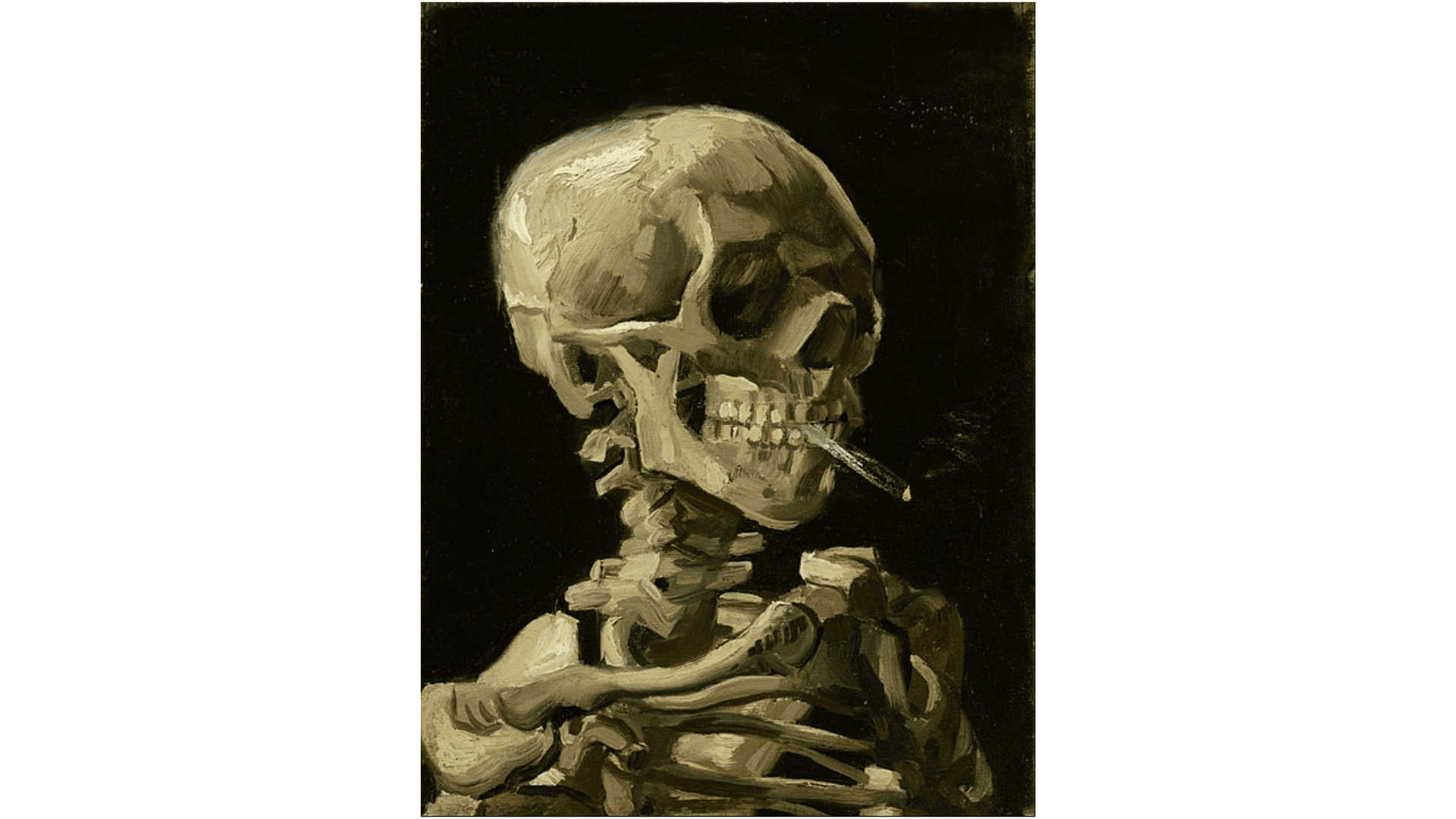
Skull of a Skeleton with Burning Cigarette, Vincent van Gogh, 1885-1886:

Related Articles


0 comments on "Art History: Historical Halloween Artworks"